
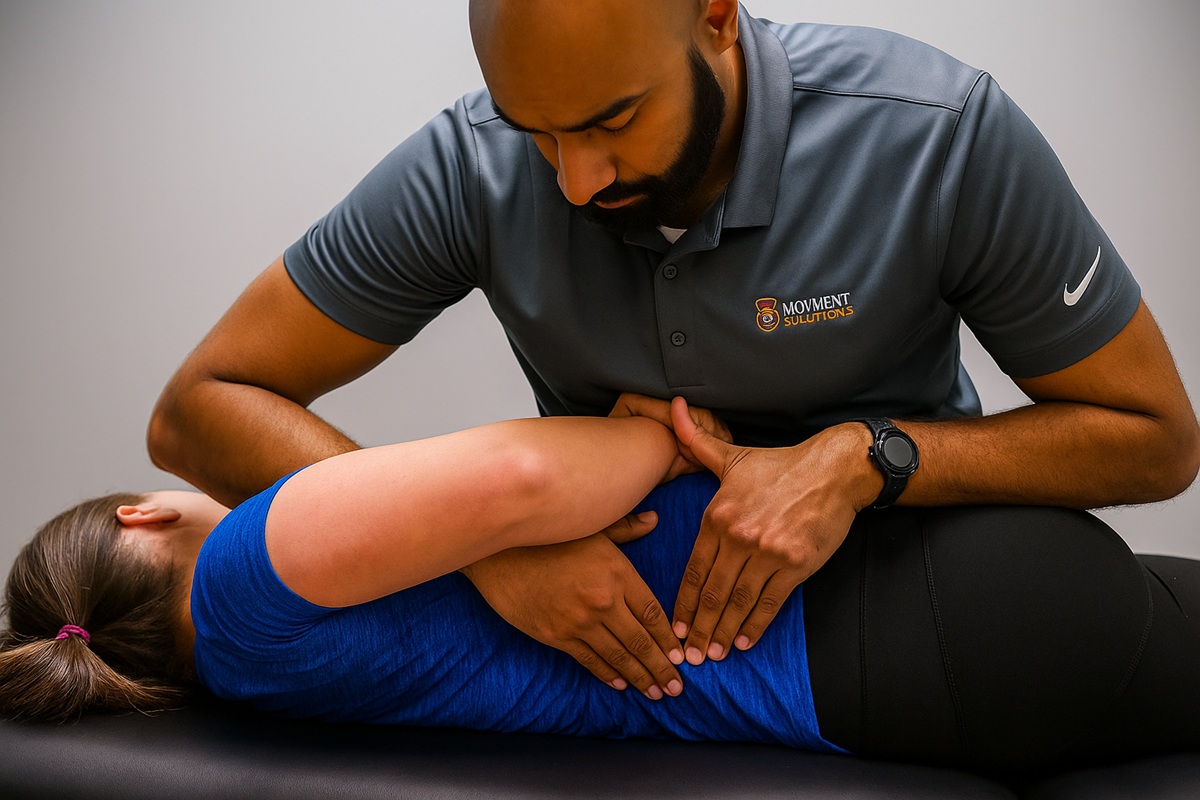
Back pain is one of the most common problems we treat, and here is the reassuring headline: physical therapy for back pain helps the large majority of people get back to what they love without surgery or a pile of medications. Whether the trouble is degenerative disc disease, SI joint pain, spinal stenosis, a disc herniation, spinal arthritis, a simple strain, or recovery after surgery, a well-built rehab plan is usually the smartest first step.
Does Physical Therapy for Back Pain Actually Work?
Yes, and the research backs it up. For long-standing back pain, a systematic review found that exercise, especially strengthening combined with coordination and stabilization work, is among the most effective ways to reduce chronic low back pain. And starting sooner helps: a randomized trial in JAMA showed that early physical therapy improved recovery for people with recent-onset low back pain. So for most people, physical therapy for back pain is not a last resort before surgery, it is the front-line treatment that actually works.
What’s Behind Most Back Pain
Back pain is usually tied to stiffness or weakness in the back, abdominal, hip, and buttock muscles, which throws off how you move and load your spine. Active adults often feel it while lifting, bending, or playing golf or tennis, and it can flare with long bouts of sitting or standing. Pain might sit at the base of the spine, spread to one side, or refer down a leg, and it often makes bending forward, standing tall, tying your shoes, or sleeping harder. It can be acute (under three months), recurrent, or chronic (beyond three months), but the good news is the same across all three: most cases respond well to the right plan.
Pinning down your specific drivers takes an assessment, and our guide to the common causes of back pain breaks them down. That is the starting point for physical therapy for back pain that targets the cause, not just the symptom.
Phase 1: Settle the Pain
Good physical therapy for back pain starts by calming the irritation. Pain often eases quickly with hands-on care such as soft-tissue work, gentle joint mobilization, or dry needling to settle the inflamed tissue around the spine. This first phase is the opening move, not the whole plan, but it opens a comfortable window so the real work can begin. Relief on its own rarely lasts, which is exactly why the next two phases matter.
Phase 2: Rebuild How You Move
Once the pain quiets down, the next job is restoring how your spine and hips move, along with the quality of that movement. A back that feels calmer but still moves poorly tends to slide right back into the pain cycle, so we spend real time grooving better movement habits, like hinging from the hips instead of rounding the low back. This is the bridge in physical therapy for back pain between short-term relief and lasting change, and it is where flares with sitting or squatting usually start to fade.
Phase 3: Build a Strong, Durable Back
The most durable part of physical therapy for back pain is building genuine strength and capacity. Using bodyweight, bands, dumbbells, barbells, and kettlebells, we develop the foundational strength that lets your back handle lifting, bending, and daily life without flaring. A strong, well-supported spine simply tolerates load far better than a weak one, and this capacity is the part people most often skip. It is also what turns a brief quiet spell into the lasting result our clients are after.
When to Get It Checked First
Most back pain is safe to work on, but a few symptoms need prompt care. Treat any change in bowel or bladder control, or numbness in the saddle region between the legs, as an emergency and seek immediate care. See a provider quickly for leg weakness, numbness, or a foot that catches when you walk, for night pain paired with unexplained weight loss or fever, or for pain that began after a significant fall or accident. Clearing these first is simply the safe way to start physical therapy for back pain.
Frequently Asked Questions
How long does physical therapy for back pain take?
It depends on the diagnosis and how long it has been going on. Many people feel meaningfully better within a few weeks, with lasting change over one to three months. Moving through settling the pain, restoring movement, and then building strength matters more than any single timeline.
Is physical therapy for back pain better than surgery?
For most non-emergency back problems, it is the recommended first step. Guidelines favor active, non-surgical care, and many people improve with rehab and never need an operation. Surgery stays reserved for specific problems that do not respond or that involve nerve compression, which is why an assessment comes first.
Can I do back physical therapy at home?
Home exercises are a core part of the plan, but they work best when guided. A therapist pinpoints the exact drivers of your pain and progresses your program safely, so physical therapy for back pain is most effective as a coached process rather than guesswork.
Should I rest until my back feels better?
Brief relative rest can calm a flare, but prolonged rest usually backfires. The evidence favors staying gently active and rebuilding movement and strength, which is the whole point of physical therapy for back pain.
Feel Better in Greenville, SC
Addressed with a thorough assessment and the right plan, overcoming back pain is very achievable, while ignoring it and pushing through poor mechanics can send your back the other way. If you want physical therapy for back pain that gets to the root cause, the physical therapists at Movement Solutions in Greenville, SC would be glad to help. Learn more about our back pain care to start.
We also offer a free 15-minute phone consultation to talk through your options. Call us at (864) 558-7346 and ask how we can help.
Medically reviewed by Dr. Tim Varghese, PT, DPT · Last updated August 26, 2026

Dr. Tim Varghese, PT, DPT
Dr. Tim Varghese, PT, DPT, is the founder of Movement Solutions Physical Therapy in Greenville, SC. He earned his Doctor of Physical Therapy from the Medical College of Georgia and is a Board-Certified Orthopedic Clinical…
More about Dr. Tim →