
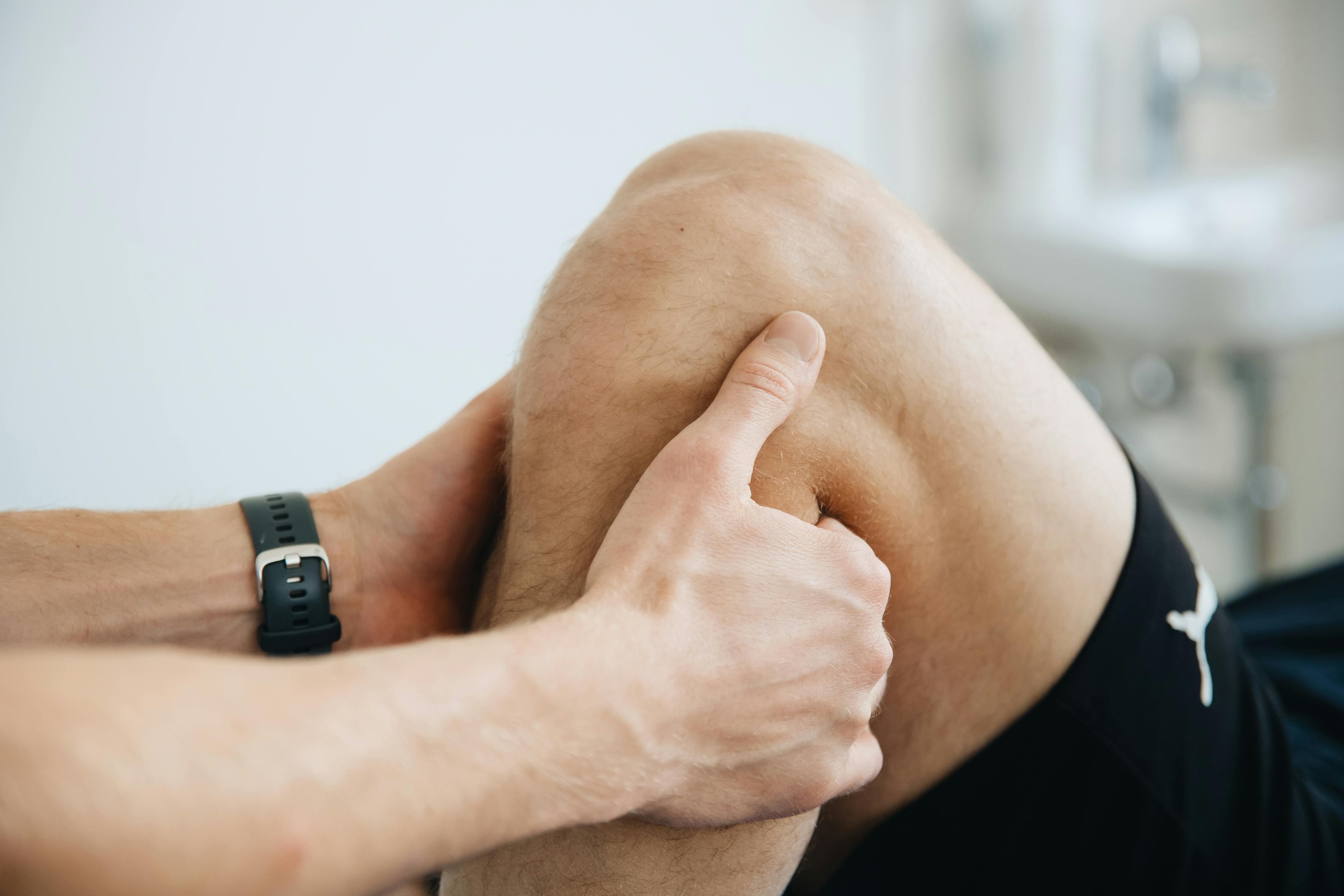
When Your Knee Starts Acting Up, It Can Really Slow You Down.
Maybe you’re noticing stiffness after a hike, or a sharp twinge when you climb stairs with a bent knee. You want to keep moving, keep up with your workouts or weekend plans, but that nagging knee pain is holding you back. You’re not alone this is a common issue for active adults in Greenville, SC, and there are practical steps to help you feel better.
If it’s not improving, a physical therapy appointment can assess what’s driving it and build a plan tailored to your specific knee pain. Early intervention from a professional can help address musculoskeletal issues promptly and effectively. If you are unsure what is safe, start with guidance from a physical therapist, especially after a recent injury, surgery, or if swelling is increasing.
Understanding Your Knee Pain
Your knee functions as a hinge joint connecting the thigh bone (femur) to the shin bone (tibia), supported by muscles like the quadriceps and hamstrings, which are key thigh muscles, and cushioned by cartilage. Knee pain often arises from irritation or strain of the muscles, tendons, or ligaments surrounding the joint rather than severe injuries such as fractures. However, it’s important to recognize that while many cases are manageable, some knee issues can be more complex and require professional evaluation. Factors contributing to knee pain include muscle imbalances, overuse, poor movement patterns, tight calf or hamstring muscles, previous injuries, and lifestyle habits. These can cause uneven stress on the knee joint, leading to joint pain, stiffness, and reduced stability that affect everyday movements. Addressing these underlying factors through targeted physical therapy can help improve knee function and reduce knee pain.
What You Can Do Now At Home (Safe First Steps)
Pick activities that keep pain at a manageable level during and after. A useful rule is “no sharp pain” and symptoms should settle back down within 24 hours.
Use a short warm-up (5 to 10 minutes walk or bike), then choose 3 to 4 movements and do them consistently, performing several repetitions as recommended.
If swelling is increasing, reduce impact and volume for a few days, then build back gradually.
Simple starter routine (example)
-
Straight leg raise: 2 sets of 8–12 each side. Lie on an exercise mat, keeping the foot anchored and the leg straight. Engage your abdominal muscles to stabilize your pelvis as you slowly lift the leg, then gently lower it back down.
-
Bridge: 2 sets of 8–12. This exercise helps strengthen surrounding muscles like the glutes and hamstrings to support knee health.
-
Sit-to-stand from a chair: 2 sets of 6–10, keep the knee tracking over the mid-foot, and bend one knee as you slowly stand up and sit down to improve knee function and stability.
-
Step-up (low step or step bench): 2 sets of 6–10 each side, slow control on the way down. Step ups stand straight with good posture to strengthen the muscles that support the knee.
Optional add-ons:
-
Heel and calf raises: stand with feet hip width apart, rise up onto your toes, then slowly lower back down. This helps strengthen calf muscles that contribute to knee stability.
-
Prone straight leg raises: lie on your stomach with legs straight. Lift one leg off the ground, keeping both legs straight and engaging the glute muscles, then gently lower back down.
Apply ice after activity if you feel soreness or inflammation. Cold therapy reduces inflammation, while heat therapy can help relax muscles before exercise.
How We Progress Your Plan
Physical therapy programs for knee pain typically advance through structured phases. Initial focus is on rebuilding strength in key muscle groups supporting the knee, such as the quadriceps, hamstrings, gluteus medius, and calves. Concurrently, mobility exercises address flexibility limitations to enhance range of motion. As strength and mobility improve, control and balance training retrain neuromuscular awareness and proprioception around the joint. Functional movements are then introduced to restore confidence and ability in daily activities and sports. Finally, conditioning exercises support overall fitness while minimizing knee stress. Throughout, progression is individualized based on patient response and goals, ensuring safety and maximizing recovery.
What Should You Expect And How Long Does It Take?

Some people notice progress in a few weeks. Bigger strength and capacity changes often take 8 to 12 weeks, depending on your starting point and activity demands. Early improvements may include reduced pain during daily activities and better range of motion, while strength and stability gains typically require consistent effort over time. Tracking your progress with simple measures like pain levels, walking distance, or stair climbing can help keep you motivated.
Common Questions About Knee Physical Therapy
Will Physical Therapy Hurt My Knee?
Good therapy shouldn’t cause sharp pain. You might feel some muscle soreness as you strengthen, but sharp or worsening pain means you should tell your therapist.
Can I Do Physical Therapy Exercises On My Own?
Yes, but it’s best to start under professional guidance to ensure you’re doing the right exercises with proper form.
How Often Should I Do Knee Exercises?
Usually 3 to 5 times a week, but your therapist will tailor this based on your condition.
What If My Knee Swells Or Feels Hot?
Mild swelling or soreness after activity can be managed with rest, ice, and reducing load for a few days. However, if your knee is hot, very red, or you have a fever or severe worsening symptoms, seek medical attention urgently.
When Should I See A PT Or Doctor Sooner?
Get checked sooner if you cannot put weight on the leg after an injury, you have a knee that “locks” and will not fully bend or straighten, you notice rapid swelling after a twist or fall, or the knee is hot, very red, and you feel feverish. If you have calf swelling or sudden shortness of breath, seek urgent medical care.
Can Physical Therapy Prevent Knee Surgery?
Sometimes yes. Strengthening and improving movement can reduce symptoms and delay or avoid surgery, but it depends on the specific issue.
Is It Normal For Knee Pain To Come And Go?
Yes, especially if you increase activity too quickly. Consistent therapy and exercise and movement work help reduce flare-ups over time.
Ready To Take The Next Step?
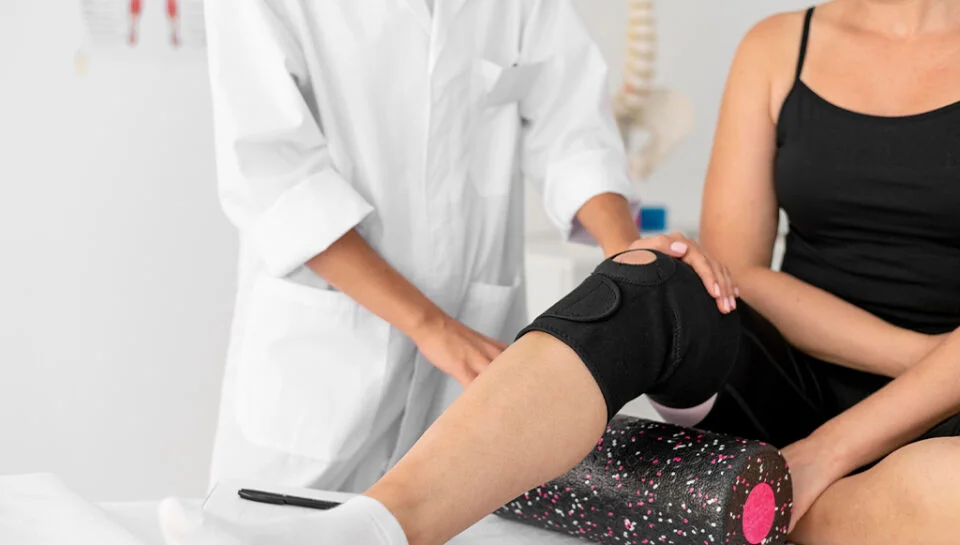
If your knee pain is getting in the way of your life in Greenville, SC, a physical therapist today can help you build a plan with the best knee pain exercises to move better and feel stronger. You don’t have to just “live with it.” Reach out to schedule an evaluation or ask any questions. We’re here to help you get back to the activities you love with confidence and care.
