

If you experience hip pain when walking, it can quickly change your whole day. A short walk around your neighborhood, a grocery run, a workout, or a trip through downtown Greenville can start to feel like something you have to push through instead of something your body handles easily.
Many active adults ignore it at first. They chalk it up to getting older, sleeping wrong, a hard workout, or doing too much on the weekend. Then the pain keeps showing up. It may start as a dull ache, then turn into sharp pain, burning pain, or persistent discomfort that changes how you move.
At Movement Solutions Physical Therapy, this is something we see often. People come in experiencing hip pain while walking, climbing stairs, lifting, running, or even just getting through a regular workday. In many cases, the issue is not just the hip joint itself. It can also involve how your core muscles, hip muscles, lower back, and leg work together.
If you are experiencing hip pain when walking, you don’t need random stretches from the internet or a generic handout. You need a better understanding of what may be causing it, what signs matter, and what to do next.
What Hip Pain When Walking Usually Means
Hip pain during walking is not a diagnosis. It’s a symptom, and its meaning depends on where you feel it, how it behaves, and what makes it worse or better. Treating hip pain effectively depends on identifying the underlying cause, so the right starting point is always a proper diagnosis rather than guessing.
The hip joint is a ball-and-socket joint. The top of the thigh bone fits into the hip socket, and the whole system depends on protective cartilage, soft tissues, and muscles that connect across the pelvis and leg to help you bear weight and move efficiently. The hip joint also plays a big role in keeping your body upright and mobile during walking.
That’s why hip pain can show up in different places. Some people feel groin pain or front hip pain. Others feel pain at the outer hip, deep in the buttock, upper thigh, or even symptoms that travel down the leg. The pain you feel depends largely on the underlying cause and the tissues involved.
Why Walking Can Bring Out Hip Pain
Walking seems simple, but your body is doing a lot with each step. Your hip has to handle single-leg loading, absorb force, control hip flexion, and keep the pelvis steady while your other leg swings through.
If your hip joint is stiff, your hip flexor muscles are overloaded, your glutes aren’t doing enough, or your lower back is contributing, you may feel discomfort every time you take a step. Even mild movement faults can cause pain when repeated hundreds or thousands of times a day.
This is why developing hip pain with walking deserves attention. It may not mean something severe, but it does mean your body is not tolerating load very well right now.
Front, Side, or Back: Location Matters
Front Hip or Groin Pain
Pain in the front of the hip often points to issues inside the hip joint or in the tissues around the front of the hip. Hip impingement, hip flexor strain, hip labral tears, and hip arthritis are common possibilities.
People often describe this area as pinching, catching, sharp pain, or stiffness. If the pain shows up when you take longer strides, walk uphill, get out of the car, or bring your knee up, that front-hip pattern matters.
Side Hip Pain
Pain at the outer hip often comes from irritation or inflammation of soft tissues around the side of the joint. While hip bursitis is a frequent cause, side hip pain can also involve tendons, muscle weakness, or poor pelvic control.
If it hurts when you lie on that side, walk longer distances, or stand on one leg, that gives us more information. Repetitive motions like running, walking, or climbing stairs can irritate this area, especially when movement control is poor.
Buttock or Back of the Hip Pain
Pain in the buttock or back of the hip can come from the hip, but it can also come from the lower back or sciatic nerve. Sciatica often creates pain that travels from the lower back or buttock down the leg and may feel burning, electric, or tight rather than deep joint pain.
Sometimes people say, “I feel hip pain,” but the real cause is not the hip socket at all. That distinction matters because treatment options for sciatica versus an irritated hip joint are different.
7 Common Causes of Hip Pain When Walking
1. Hip Arthritis
Hip arthritis is one of the most common causes of hip pain in adults, especially as people get older. Osteoarthritis is a degenerative joint condition affecting the protective cartilage in a weight-bearing joint like the hip. It can make walking, getting up from a chair, or putting on shoes feel stiff and painful.
With hip arthritis, pain is often felt in the groin, front thigh, or around the joint itself. Some people notice morning stiffness or pain after sitting for a while. Others feel worse with longer walks and better after warming up a little, at least early on.
That said, hip arthritis seen on imaging doesn’t always explain everything. At Movement Solutions Physical Therapy, we look at how well the hip moves, how the surrounding muscles support it, and whether the person can respond well to conservative treatments like exercise, strength work, and physical therapy.
2. Hip Bursitis
Hip bursitis is inflammation of one of the bursae, small, fluid-filled sacs that cushion tissue around the hip joint and help reduce friction. When these sacs become irritated, people often feel pain at the outer hip that is sore, tender, or sharp with walking and stairs.
Many people are told they have bursitis when the real issue is a broader movement problem that keeps irritating the area. At Movement Solutions Physical Therapy, we emphasize finding the root cause, restoring movement, and building strength for lasting relief rather than just addressing symptoms.
If your side hip is sore to touch, worse after lying on that side, and aggravated by walking hills or standing on one leg, bursitis or irritated lateral hip tissue is worth considering.
3. Hip Impingement
Hip impingement, also called femoroacetabular impingement or FAI, happens when there is abnormal contact between the ball and socket joint. That contact can cause pain, pinching, and loss of motion, especially with deeper hip flexion.
People with hip impingement often feel front hip or groin pain or a pinch when the knee comes up, when getting into a low chair, or when taking longer strides. Walking uphill, squatting, and certain fitness movements may make symptoms worse.
This is why the exact pain pattern matters. Someone with hip impingement may keep stretching the hip flexor and get nowhere because the issue is not just tightness; it’s how the hip bone, hip socket, and soft tissues interact under load.
4. Labral Tears
The labrum is a ring of cartilage around the hip socket that helps with stability. A hip labral tear happens when that cartilage frays or tears, causing sharp pain, catching, clicking, locking, or a sense that the hip isn’t moving smoothly.
People may notice symptoms during sports or with walking, stairs, twisting, or getting in and out of a car. Labral tears can happen on their own or alongside hip impingement.
Not every labral tear requires surgery. Some respond well to physical therapy, movement changes, and strengthening. Others may need input from hip specialists, especially if symptoms are mechanical, persistent, or resistant to conservative treatments.
5. Hip Flexor Strain or Tendinitis
A hip flexor strain occurs when the muscles or tendons in the front of your hip are overstretched or torn. Tendinitis can also inflame the tendons attaching muscles to bones, leading to burning pain or tenderness in the front of the joint.
This often appears after sudden movements, sprinting, kicking, aggressive lifting, or a sharp change in activity. It can also develop gradually if the hip flexor is overworking because the core muscles and glutes aren’t helping enough.
If you have pain with marching, stepping up, longer walking, or lifting the leg into hip flexion, this fits. Resting the hip briefly may help reduce inflammation, but the bigger issue is often restoring load tolerance so the area can handle walking again.
6. Sciatica or Referred Pain
Not all hip pain is true hip joint pain. Sometimes discomfort comes from the lower back or nerve irritation. Sciatica pain can show up in the buttock, side hip, or back of the leg, sometimes with tingling, numbness, or burning sensations.
This pattern often changes with posture, sitting, bending, or spinal movement. You may feel worse after sitting, then notice pain when you first start walking. Symptoms spreading below the knee suggest looking beyond the hip itself.
7. Stress Injury or Hip Fracture
Though less common, these are important to recognize. Hip fractures are serious breaks or cracks in the upper thigh bone near the hip joint, often caused by falls or trauma. They usually cause sudden, severe pain and trouble bearing weight.
Stress injuries can develop over time in active adults, especially with increased training load, poor recovery, or bone health issues. Severe pain, significant discomfort with every step, or inability to bear weight means this is not a condition to wait on.
Broken bones, sudden loss of function, major bruising, or rapid swelling require prompt medical attention.
Other Factors That Increase Risk
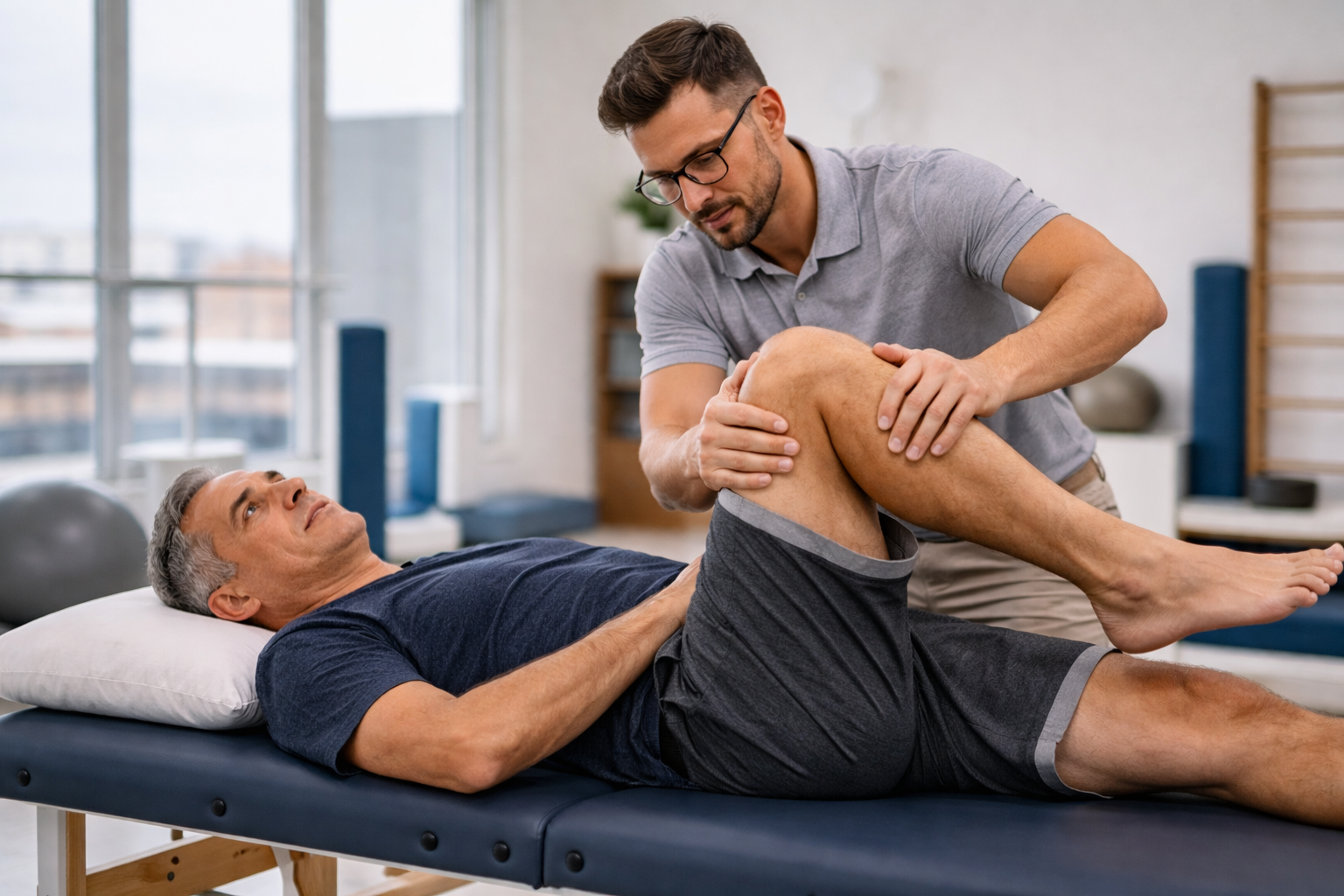
Age can matter, but it’s not the whole story. People of all ages can feel hip pain when walking. Risk increases with previous hip injuries, hip surgery, poor posture, high training spikes, reduced strength, and carrying more load than the body is ready for.
Body weight matters too. Maintaining a healthy weight can reduce stress on the joint and may decrease pain during walking, especially if hip arthritis is present.
Movement habits also play a role. Standing unevenly, poor single-leg control, worn-out shoes, or jumping back into long walks after a break can irritate the hip quickly.
Walking Patterns and Hip Pain
How you walk can influence hip pain. Overstriding taking steps that are too long can increase hip flexor strain. Limping or favoring one side can cause muscle imbalances and overuse injuries.
Shortening your stride and focusing on smooth, controlled steps can reduce stress on the hip joint. Proper pelvic alignment and engaging core muscles during walking help maintain stability and reduce discomfort.
Signs to Watch Closely
Pain That Builds the Longer You Walk
This often points to a load-tolerance issue. The tissues may tolerate a little walking, then get irritated as repetition builds. This is common with hip bursitis, tendon irritation, hip arthritis, and deconditioned hips.
Pain With First Steps After Sitting
This can show up with joint stiffness, arthritis, or irritated soft tissues. Some people feel stiff at first, then loosen up after a few minutes.
Clicking, Catching, or Locking
Mechanical symptoms like these can indicate labral tears, hip impingement, or another joint issue. It doesn’t always mean surgery, but it does mean the hip deserves a closer look.
Sharp Pain in the Groin
Sharp groin pain during walking, pivoting, or getting in and out of a car often suggests joint-related causes such as impingement or labral injury, though diagnostic evaluation is needed to confirm.
Burning Pain or Nerve-Type Symptoms
Burning pain, tingling, numbness, or symptoms below the knee suggest sciatic nerve involvement or referred pain from the back. This changes the treatment approach.
Pain That Changes Your Gait
If you limp, shorten your stride, turn your foot out, or shift your body to one side, your body is protecting the area. That compensation can cause knee pain, back pain, and more hip discomfort over time.
Common Mistakes That Prolong Hip Pain
One mistake is trying to walk through significant pain. A little soreness is one thing; pushing through sharp or persistent pain usually keeps the tissue irritated.
Another is stretching aggressively without knowing the cause. If you have hip impingement, a labral issue, or an irritated hip flexor, more stretching isn’t always better.
A third is stopping all activity for too long. Short-term rest can reduce pain, but complete inactivity often leads to stiffness, weaker hip muscles, and a harder return to walking.
What to Do Right Away
Modify, Don’t Panic
If you have hip pain when walking, start by reducing the load. That might mean shorter walks, flatter routes, fewer hills, smaller strides, or breaking one long walk into two shorter ones.
Taking shorter strides can reduce strain on the hip flexor and improve comfort. Often, that small change helps immediately.
Use Ice or Heat Based on How You Feel
Ice can help reduce inflammation, especially if the hip is newly irritated, sore, or warm after activity. Apply an ice pack for 15 to 20 minutes a few times a day. Heat may feel better if the area is stiff rather than inflamed. Some people find a hot shower or heating pad before movement helps, then ice afterward if symptoms flare.
Respect the Basics
Proper footwear with good arch support and cushioning can lower impact and improve comfort. Resting the hip joint briefly after overuse or injury can help reduce pain and inflammation. Over-the-counter anti-inflammatory medications or acetaminophen may provide temporary relief but don’t address the underlying cause. Use them carefully and as directed.
When to See a Healthcare Provider
Red Flags That Need Prompt Attention
Seek medical advice if you have sudden severe pain, major swelling, redness, warmth, significant bruising, or cannot bear weight on the leg. These signs can indicate a serious problem needing immediate care. If pain started after a fall, car accident, or hard impact, don’t assume it’s just a strain. Hip fractures and other injuries require evaluation.
Signs It’s Time for a Professional Assessment
If hip pain when walking lasts more than a few days, worsens with activity, or doesn’t improve with rest, it’s worth getting checked. Ongoing or severe pain after walking could mean a problem needing a specific treatment plan. This is especially true if you have previous hip injuries, history of hip surgery, a recent training spike, or symptoms that keep changing your gait.
If your hip pain is accompanied by significant swelling, bruising, or inability to bear weight on the affected leg, seek prompt medical attention.
How Physical Therapy Can Help
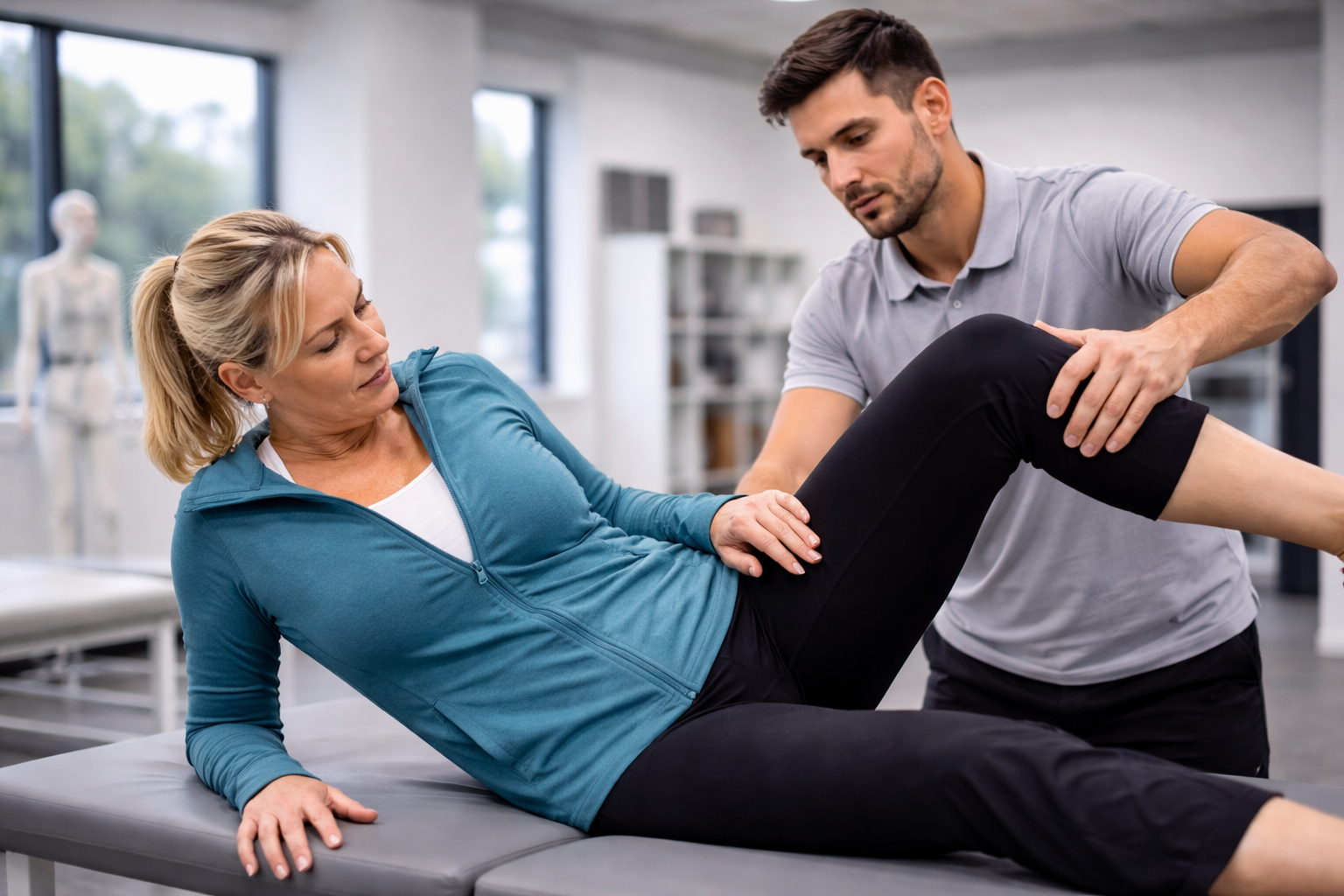
At Movement Solutions Physical Therapy, we don’t just name the painful structure. We find out why it started, assess full-body movement, and build a plan to keep pain away instead of letting it come back.
Two people with the same diagnosis may need very different treatments. One may need better mobility, another more glute and core strength, another gait changes, load management, and confidence rebuilding.
Step 1. Identify the Real Cause
A thorough physical therapy evaluation looks at where you feel pain, what triggers it, how you walk, how your hip moves, what your lower back is doing, and how your core and hip muscles manage load. This helps separate a hip flexor problem from hip arthritis, side hip irritation, or possible sciatica pain. Proper diagnosis leads to better treatment choices.
Step 2. Calm the Irritated Tissue
Early treatment may include activity modification, hands-on care, soft-tissue work, mobility drills, and simple home strategies like foam rolling or self-release. The goal is to ease pain enough to improve movement and build strength again.
Step 3. Restore Movement and Control
Once symptoms settle, we work on hip flexion, extension, rotation, and pelvic control. If walking hurts, we may adjust stride length, stance control, and how you load one leg. This is vital for people who want to stay active. Walking, lifting, hiking, or fitness require good movement quality, not just temporary pain relief.
Step 4. Build Functional Strength
Strengthening exercises like glute bridges, clamshells, step-ups, and carries support the hip joint. Doing these consistently three to four times a week helps maintain strength and reduce pain. Regular exercise strengthens the muscles supporting the hip joint, improves range of motion, and helps reduce pain over time.
Step 5. Return to Activity Safely
Many people feel better for a short time, then flare up because they return to the same volume, pace, hills, or workouts that caused irritation. A smart return plan helps avoid repeating the cycle. We guide people back to walking, lifting, and exercise in ways that prevent hip pain from coming back.
Simple Steps You Can Start Today
Reduce the Load Temporarily
Shorter walks, fewer hills, and slower pace can calm the hip without stopping activity completely. Avoiding activities that clearly aggravate pain helps prevent worsening.
Keep Moving with Low-Impact Options
If walking flares your hip pain, try low-impact activities like swimming, biking with low resistance, or pool walking. These keep blood flowing and help you stay active while reducing stress on the hip joint.
Begin Basic Strength and Mobility Exercises
Incorporate gentle stretching and strengthening to manage discomfort. Bridges, clamshells, supported split squats, and controlled mobility drills often work better than aggressive random stretching.
Support Your Whole System
Maintain overall joint health by practicing good posture, exercising regularly, and keeping a healthy weight. This supports long-term recovery, especially if you have hip arthritis, recurring flare-ups, or previous hip injuries.
When More Than Conservative Care Is Needed
Most cases of hip pain when walking improve with conservative treatments like load management and physical therapy. Sometimes, injections can provide temporary relief when inflammation is significant.
Surgery may be discussed if structural damage is severe, symptoms persist, or conservative care isn’t enough. Options include hip arthroscopy, minimally invasive procedures, or total hip replacement depending on the issue.
Not every painful hip leads to surgery. Treatment should match the person, the diagnosis, and how they respond over time.
A Final Word for Active Adults in Greenville, SC
If you have hip pain when walking, don’t just accept it as something you must live with. Hip pain can come from many causes, including arthritis, bursitis, impingement, labral tears, hip flexor strain, nerve-related pain, or something more serious. The location, behavior, and severity of your symptoms all matter.
Many people wait too long because they can still push through. Then pain starts changing workouts, weekend plans, and daily life. You don’t need to be sidelined before taking it seriously.
If your hip pain when walking is sticking around, changing how you move, or keeping you from activities you enjoy, getting assessed can save frustration. A thoughtful physical therapy plan can help relieve pain, improve movement, and help you get back to being active with confidence.
