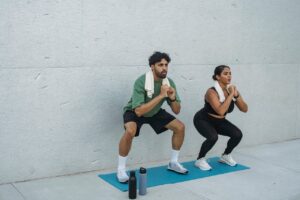
Thighs Hurt After Squats in Greenville SC. Is It Normal Soreness or an Injury?
When Squat Day Makes Your Thighs Scream Understanding why your thighs hurt after squats is crucial for anyone serious about fitness. Whether you’re a seasoned


When Squat Day Makes Your Thighs Scream Understanding why your thighs hurt after squats is crucial for anyone serious about fitness. Whether you’re a seasoned
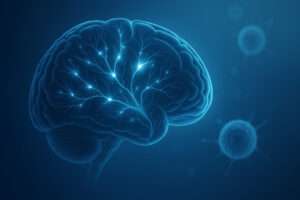
University of Zurich researchers transplanted human neural stem cells into mice after ischemic stroke and saw regrowth of neurons and blood vessels plus motor recovery. It’s a big step for science—not a clinic-ready cure. Here’s what happened, what it doesn’t prove, and how stroke survivors can move forward now.

Reddit / r/longevity — “A multi‑university twin study finds that accelerated biological aging … is linked to cognitive decline later in life”Date: within last week

A small human study found that one session of HIIT or resistance training boosted anti-cancer proteins in the blood of breast-cancer survivors and slowed lab-grown cancer cells. It’s not a cure—but it’s a powerful reason to move with purpose.

New research on “superagers” shows that some people in their 80s keep memory on par with folks in their 50s—often with thicker, more resilient brain regions and powerful social lives. Here’s what sets them apart and three habits you can start this week.

A new analysis of Maria Branyas Morera—the world’s oldest person until she died at 117—suggests extraordinary longevity isn’t one magic gene. It’s a messy blend of lucky genetics, a resilient immune system, a youthful gut microbiome (hello, yogurt), and steady, low-drama habits. But here’s the catch: it’s still one person. Treat the findings as clues, not commandments.
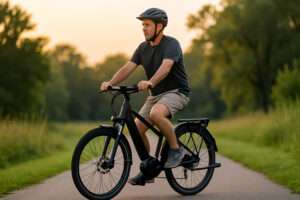
Cycling shouldn’t come with nagging hip pain, stiff knees, or a sore back.
Whether you ride the Swamp Rabbit Trail or train for long weekend rides, a few minutes of targeted movement can help you stay strong, mobile, and pain-free.
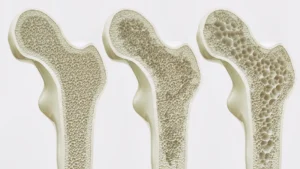
A new study points to a “bone switch” (GPR133): turning it on with a compound called AP503 made mouse bones stronger and even reversed osteoporosis-like loss. Early, preclinical—but it hints at treatments that rebuild bone, not just slow decline.
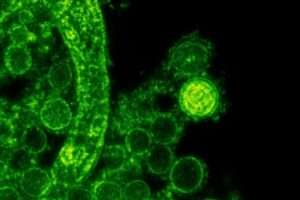
Russia says it’ll launch a **personalized mRNA cancer vaccine** in 2025—potentially free to patients. Intriguing, but it’s still light on peer-reviewed human data, so file under **watch-list**, not proven therapy. ([drvaccines.com][1])
[1]: https://www.drvaccines.com/blog/russias-new-mrna-cancer-vaccine-launching-in-2025-a-breakthrough-in-cancer-treatment?utm_source=chatgpt.com “Russia’s New mRNA Cancer Vaccine Launching in 2025”

A “four-in-one” obesity drug that targets GLP-1, GIP, glucagon, and PYY aims to push weight loss toward \~30% while reducing nausea and muscle loss; it’s still preclinical (no human data yet), but it points beyond today’s GLP-1s. ([Yahoo][1])
[1]: https://www.yahoo.com/news/articles/next-ozempic-aims-deliver-30-110036301.html?utm_source=chatgpt.com “‘Next Ozempic’ aims to deliver 30% weight loss with fewer side …”

Exact Sciences’ new **CancerGuard** is a single-draw blood test that analyzes multiple biomarker classes to flag signals from **50+ cancers**. It’s a **\$689** U.S. **lab-developed test** meant to **complement** existing screenings—not replace them. ([Exact Sciences][1])
[1]: https://www.exactsciences.com/newsroom/press-releases/exact-sciences-launches-cancerguard-first-of-its-kind-multi-cancer-early-detection-blood-test “Exact Sciences Launches Cancerguard, First-of-Its-Kind Multi-Cancer Early Detection Blood Test | Exact Sciences”

Two fresh bites on longevity: one thread champions a “longevity diet” as a legit way to extend life, the other debates whether stacking lots of hacks beats keeping it simple. Takeaway—focus on consistent, evidence-leaning basics before chasing synergy. Want a quick start? Use our **AI Prompt of the Month** to auto-build a one-page daily plan (movement, simple strength, sleep, meals) tailored to you.
– Harvard’s David Sinclair predicts rejuvenation trials by 2027. – Surge in off-label Rapamycin usage for lifespan extension. – AI reengineers nobel-winning proteins to reverse

Researchers have shown that boosting the brain’s energy-producing mitochondria can reverse memory and motor problems in mice with dementia-like symptoms. Using a tool called mitoDREADD-Gs, scientists proved for the first time that mitochondrial dysfunction is not just linked to but can directly cause neurodegeneration.
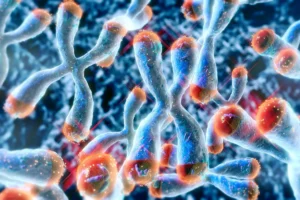
This is the first long-term, randomized controlled trial to show that vitamin D can protect telomere length. It suggests that a simple, inexpensive supplement may not just support bone health—but could also help preserve the integrity of our DNA and slow biological aging itself.

Kidney stones affect 12% of people and often recur, leading to repeated surgeries and months of discomfort. Current treatments are slow, painful, or invasive. This approach could offer faster pain relief, fewer surgeries and a safe option for patients who can’t tolerate oral meds
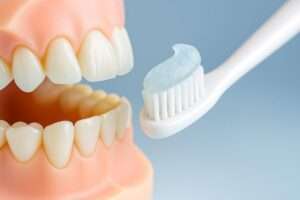
Keratin-based toothpaste offers the first potential solution to permanently repair tooth enamel that was previously considered irreversibly damaged.
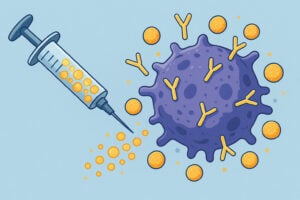
This could be the first step toward a broad, fast, and affordable anti-cancer vaccine platform—a game changer compared to today’s slow, hyper-targeted treatments.
reprogramming resets the epigenetic “software” that drifts with age. Do it partially and you keep cell identity but regain youthful function.
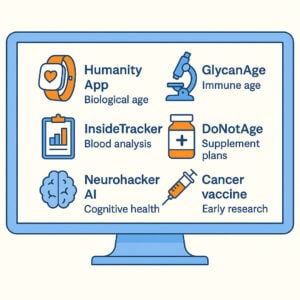
Track your biological age, decode your glycans, and personalize your stack.
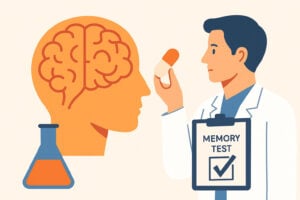
Harvard-linked work suggests lithium depletion plays a key role—micro-doses reversed Alzheimer’s-like changes in mice.
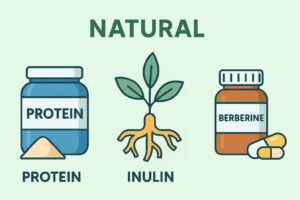
Whey, inulin, and berberine can nudge GLP-1, blunt glucose spikes, and protect lean mass.
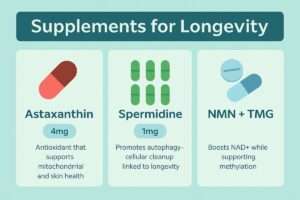
Astaxanthin, spermidine, and NMN+TMG—what they do and where they might fit.
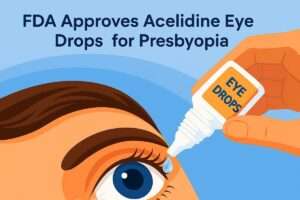
FDA green-lights once-daily aceclidine drops that sharpen near vision for up to 10 hours.

An AI + epigenetics test (Chronosense) reports ~2-year accuracy for biological age estimates.
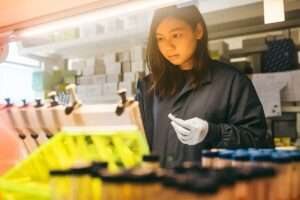
Bezos-backed Altos Labs is quietly testing cellular rejuvenation therapies in humans. Here’s the signal from the noise.