
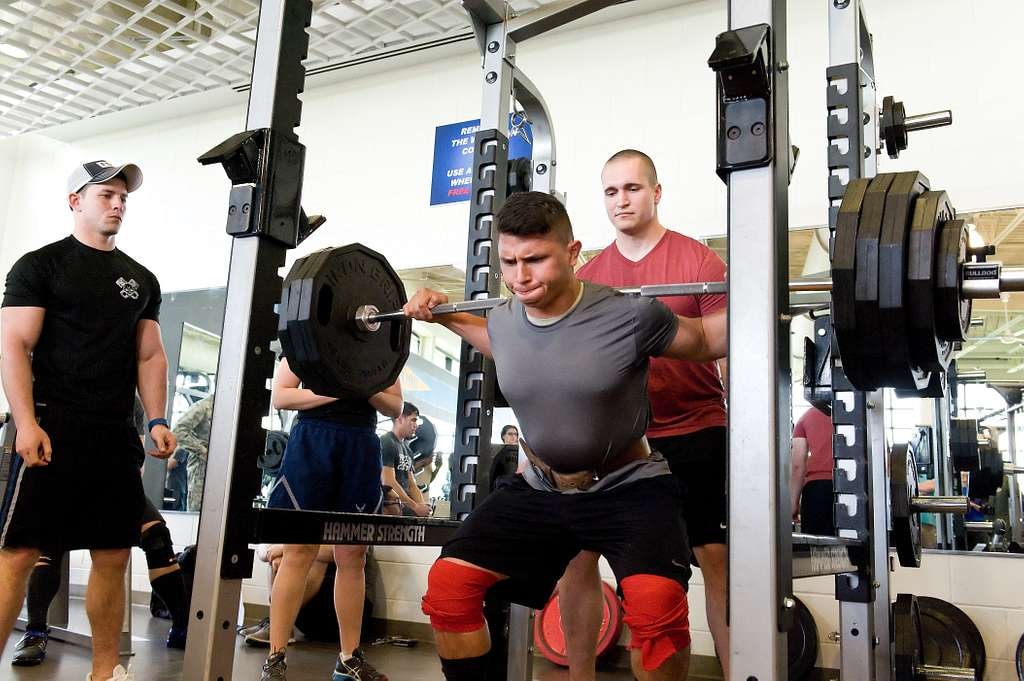
You unrack the bar, take a breath, and immediately it feels like the squat barbell hurts neck. It’s not your legs or lungs that complain first, but your neck.
Maybe you try to ignore it, add a barbell pad, and tell yourself it’s normal. Then you rack the weight, and neck pain is the only thing you remember from the set.
Many active adults in Greenville, SC experience this, especially as training gets heavier or more frequent. Most don’t need to stop squatting they just need a better setup and a few targeted tweaks.
Why Neck Pain Occurs During Squats
Most of the time this is mechanical and responds to setup and loading changes. Neck and shoulder pain during squats usually comes from bar position, head alignment, upper body tension, and how the upper back stabilizes the bar.
It’s rarely a serious injury, but if pain spreads, changes quickly, or comes with neurologic signs such as pain, tingling, or weakness into the arm, getting checked sooner is wise.
How Barbell Position And Head Alignment Affect Neck Pain
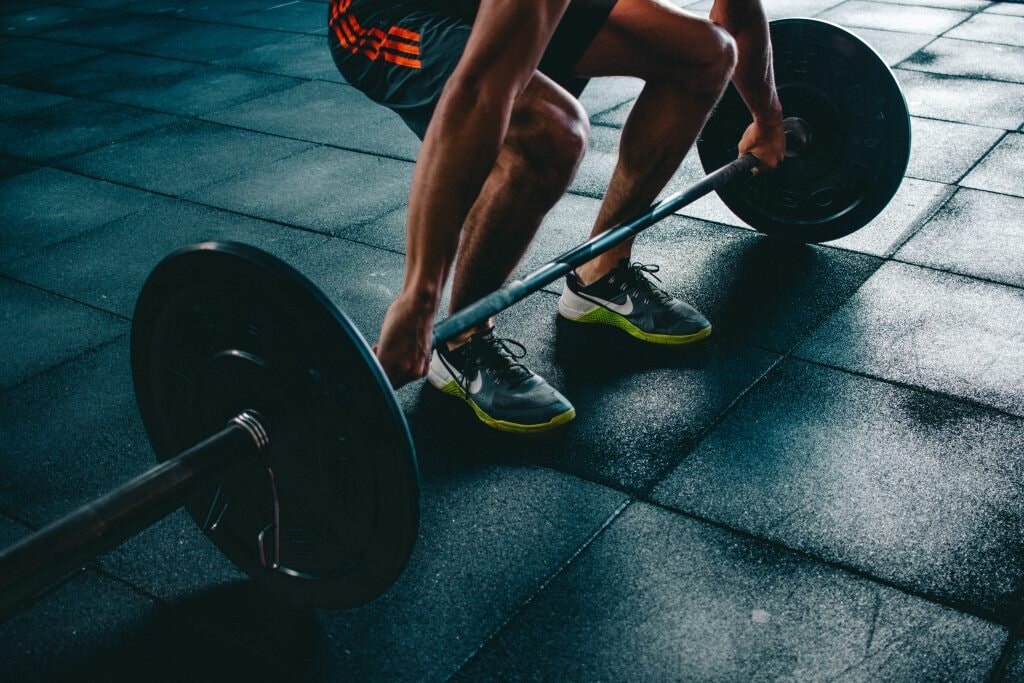
Barbell squats are full-body lifts. Your upper back and shoulders create the shelf, your trunk stabilizes the weight, and your hips and knees do most of the work.
If the bar rests too high, it presses toward the neck instead of sitting on the muscle shelf of the upper trapezius. It should not press into the bony base of the neck. That extra pressure can irritate neck muscles and sensitive cervical spine joints, especially if muscles are tight.
Head position matters too. Looking straight ahead is fine, but looking up can push significant neck extension and can irritate the facet joints. Aim for a neutral position head stacked over chest with a slight chin tuck and keep your gaze aligned with your torso.
Key Causes And Contributors
Bar placement too high. Newer lifters often place the bar near the base of the neck because it feels secure. This usually creates a pressure hotspot that turns into discomfort or pain during back squats. For high bar squats, the bar should rest on the upper trapezius muscle shelf, about 2 to 3 inches lower than the base of the neck, then fine-tuned until it feels stable and symptoms stay calm.
Unstable “shelf” from shoulder blades. If your shoulder blades aren’t set, the bar often rolls during the squat. This causes most people to tense their upper body harder, making the neck do extra work to stabilize. Squeezing the shoulder blades together (pinch back and slightly down) creates a shelf for the barbell. Pulling elbows down and using a grip within your shoulder width helps retract the scapula effectively, provided your shoulder mobility allows it without pain.
Shoulder mobility limits and tightness. Limited shoulder mobility forces compensations like flared elbows, wrists cranked back, overextended chest, or head drifting forward. This turns the squat into an upper body struggle rather than a lower body lift, feeding shoulder tightness and neck pain.
Upper back stiffness and limited thoracic mobility. A stiff upper back often leads the neck to “move for it.” You might notice your chin lifting as you descend or your chest collapsing while your head juts forward to find balance. Foam rolling the upper back before training can improve thoracic mobility, making it easier to maintain good bar position and head stacking.
Too much weight too soon. When the load exceeds your upper back strength and bracing ability, your body finds workarounds like shrugging, tensing the neck, and letting the bar slide as fatigue sets in. Sometimes stepping back to just the bar for a few sets helps rebuild a pain-free pattern before gradually increasing weight.
Equipment mismatch. A foam barbell pad can provide immediate relief for lifters with less upper back muscle or sharp bar contact. However, if the pad makes the bar feel unstable or prone to rolling, it may worsen control. For chronic neck symptoms or major shoulder mobility limits, a Safety Squat Bar can shift weight away from the neck and help maintain consistent training while addressing root causes.
What To Do Now At Home
Before your next squat day, try this checklist to reduce pressure and irritation:
- Set your shelf first. Stand with feet shoulder width, grip the bar comfortably, pull elbows down, and squeeze shoulder blades together to tighten the upper back. Place the bar resting on the upper trapezius muscle shelf, not on the neck bone. If it feels like bone pressure, move it slightly lower and reset your shoulder blades.
- Keep your head neutral. Pick a spot on the wall that keeps your gaze straight ahead without forcing you to look up. A slight chin tuck helps prevent neck hyperextension, especially with heavier weights. Keep your head aligned with your spine throughout the squat.
- Warm up upper back and shoulders. Activate your upper back before loading to stabilize the shelf and reduce discomfort. Try 2 rounds of band pull aparts (12–20 reps), a rowing variation (10–12 reps), and slow bodyweight squats (6–10 reps).
- Rebuild with a short progression. If squats hurt immediately, strip down to just the bar and perform 2–3 pain-free sets. Then add weight gradually, watching for bar roll, chin lift, or discomfort spikes. Stop increasing if any of these occur. If pain is mostly at unrack or the top of the movement, it usually relates to bar placement and upper trap tension, so focus on adjusting these areas carefully.
- Modify without losing training effect. If back squats still cause issues, switch to front squats or goblet squats temporarily. These variations demand less shoulder mobility and shift the load. If available, use a safety bar for your main squat day while keeping back squats lighter and focused on technique.
- Keep the whole squat honest. Avoid collapsing at the bottom to prevent upper body compensation. Keep ribs stacked over hips, letting hips and knees do the bending so your neck isn’t fighting for balance. If you notice knee pain, consider checking foot pressure, hip control, and stance separately.
What Physical Therapy Does
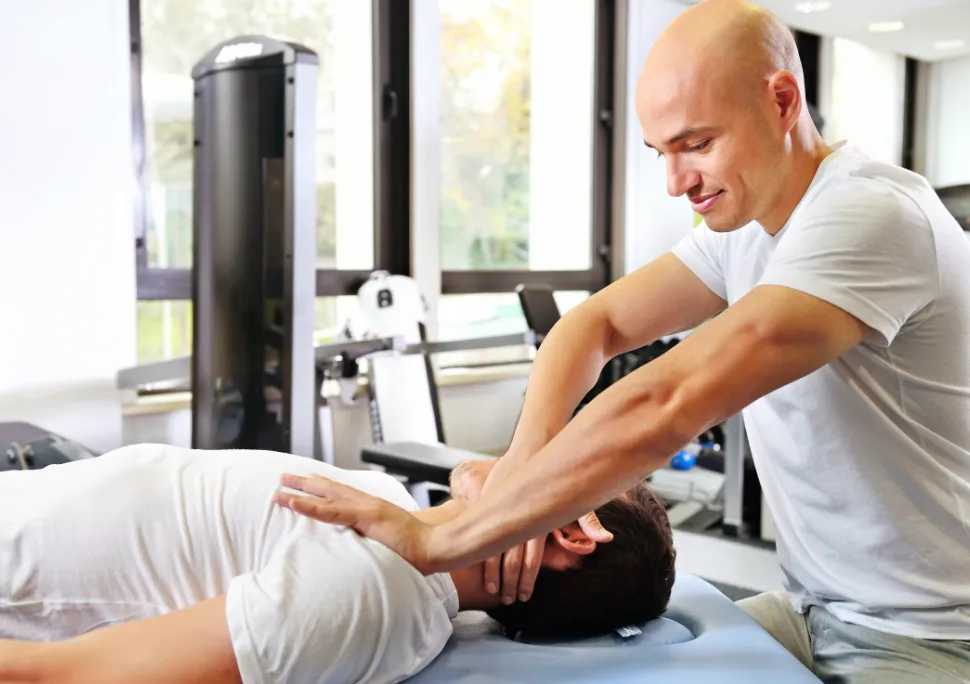
At a real clinic in Greenville, SC, a physical therapist watches your squat from the side and back, then adjusts stance, bar placement, and bracing until the bar stays quiet. They assess shoulder width, breathing, bracing, and where movement breaks down under load.
They also evaluate factors forcing compensation, like shoulder and thoracic mobility, upper back strength, and scapular control during movement.
Hands-on treatment can calm irritated tissues and reduce muscle guarding around the upper trapezius and neck muscles. The bigger benefit is evidence-informed movement coaching, so you leave with a plan to improve your squat in the gym.
If you train in Greenville, SC, this process usually clarifies whether your pain comes mostly from bar placement, mobility limits, or load management.
What To Expect And Timeline
Many lifters notice less pressure and “hot spot” discomfort the same day they adjust bar placement and stop cranking their chin up. Improved control often takes 2 to 4 weeks to develop as upper back strength and consistency grow, helping keep the bar stable when fatigued.
If shoulder tightness and thoracic mobility limits are significant contributors, progress may take 4 to 8 weeks of steady work, measured by better tolerance and cleaner reps. Track markers like easier unracks, less bar rolling, and reduced next-day neck pain after squats to monitor progress.
Frequently Asked Questions
Should The Bar Touch My Neck At All?
Ideally, no. The barbell should rest on the muscle shelf of the upper trapezius, not press into the bony base of the neck. If it contacts the neck, the bar is usually too high. Move it slightly lower and reset your shoulder blades to support it.
Why Does Looking Up Make My Neck Worse?
Looking upwards during squats can push the neck into extension, irritating facet joints and increasing neck pain, especially under heavy load. Keeping your gaze aligned with your torso helps maintain a neutral neck and smoother lift.
High Bar Vs Low Bar Which Is Better If My Neck Hurts?
High bar places the bar on the upper traps, while low bar rests lower, often between the second and third thoracic vertebrae. Some lifters find less neck pressure with low bar due to distance from the neck, but it requires more shoulder mobility and can irritate shoulders if forced. Choose the version that stays pain-free and stable, then build capacity around it.
Is A Barbell Pad A Good Idea?
Barbell pads can provide immediate relief if you lack upper back muscle or find bar contact sharp. They’re useful while building muscle and adjusting to bar pressure. However, if the pad causes instability or sliding, focus first on bar placement and upper back tension.
Should I Stop Squatting If It Hurts?
Not always. If you can adjust mechanics and keep reps pain-free, you can usually continue training while addressing root causes. If pain persists, modify by using front squats, goblet squats, or a safety bar, then return to back squats when comfortable.
Can Practicing Without Weight Actually Help?
Yes. Bodyweight squats help you find a stable torso, control descent, and build a repeatable pattern before adding weight. Bringing these positions back to the barbell squat often makes a lasting difference.
When Should I See A Professional Sooner?
Seek help promptly if you experience new numbness, weakness, rapidly worsening symptoms, swelling, fever, unexplained weight loss, or bowel/bladder changes. These are not situations to push through. If symptoms are steady but annoying, a movement assessment can save months of trial and error.
Next Step in Greenville, SC
If squat barbell hurts neck has been your pattern lately in Greenville, SC, you probably don’t need a dramatic reset. You need a better shelf on your upper back, a neutral head, and the right load for where your body is today.
At Movement Solutions Physical Therapy in Greenville, SC, we watch your squat, clean up bar placement, and build simple progressions that keep you training without constant neck discomfort.
Schedule an evaluation, or reach out with a question. We will help you sort out the next step.
