
Overcoming a rotator cuff tear without surgery is possible for many people, often with nothing more than a well-designed physical therapy program. The rotator cuff is a group of four muscles and their tendons that connect the upper arm bone to the shoulder blade and keep the joint stable. It can become irritated or torn from heavy lifting, repetitive overhead movements, or a fall. The encouraging news is that most tears respond well to conservative care. Below are five safe steps to overcome a rotator cuff tear without surgery, plus an honest look at when surgery may still be the right call.
Full-Thickness vs. Partial-Thickness Tears
Rotator cuff tears are described as either full-thickness or partial-thickness, depending on severity. A partial-thickness tear affects part of a tendon but does not go all the way through, while a full-thickness tear extends from top to bottom. A physical therapist can use a series of movement tests to help tell them apart, which is useful because the type and cause of your tear strongly influence your options. Partial-thickness tears, and many atraumatic (wear-and-tear) full-thickness tears, are exactly the kind that often respond to a rotator cuff tear without surgery approach. Tears from a sudden injury tend to behave differently, so getting an accurate picture early is worth the time.
Can You Really Heal a Rotator Cuff Tear Without Surgery?
For many people, yes. OrthoInfo from the AAOS notes that the majority of rotator cuff tears can be treated nonsurgically, and that you can often regain good function without surgery because other muscles and tendons help move the arm. The research backs this up: in the MOON shoulder study, physical therapy successfully managed about 75% of atraumatic full-thickness tears, with more than 70% still avoiding surgery ten years later.
Being honest matters here, though. A tear does not usually “re-knit” on its own; the win comes from strengthening the surrounding muscles so the shoulder works and feels good again. And some tears do better with surgery, including acute traumatic tears, large or massive tears, and tears in younger, active people or overhead athletes. Pain that does not improve with a solid rehab program is also a reason to consider it. That is why an assessment matters: it tells you whether a rotator cuff tear without surgery is realistic for your specific shoulder.
5 Safe Steps to Overcome a Rotator Cuff Tear Without Surgery
This progression calms the shoulder first, then rebuilds it so the results last. Start gently and ease off anything that sharply increases your pain.
1. Calm the Pain
First, take a short break from the activities aggravating your shoulder, such as overhead lifting, horizontal pressing like the bench press and push-ups, and high-speed or high-impact upper-body work. This lets the irritation settle. If pain persists, hands-on therapy can help it subside faster and sets the stage for the rest of your rotator cuff tear without surgery plan.
2. Wake Up the Right Muscles
If weakness is present, learning to engage the muscles that are not firing well is critical for shoulder health. Common ones needing attention include the serratus anterior, lower trapezius, lats, and the rotator cuff itself. Gentle activation moves like the side-lying shoulder rotation, serratus punch, prone I, and supine pullover are great starting points.
3. Restore Shoulder Mobility
The shoulder is a ball-and-socket joint meant to move in three dimensions through large ranges. Poor mobility of the lats and thoracic spine (upper back) often drives rotator cuff problems, so restoring motion there is key. Drills like the reach, roll, and lift, lying handcuffs, and shoulder rotations at 90 degrees help bring back normal movement.
4. Build Functional Strength
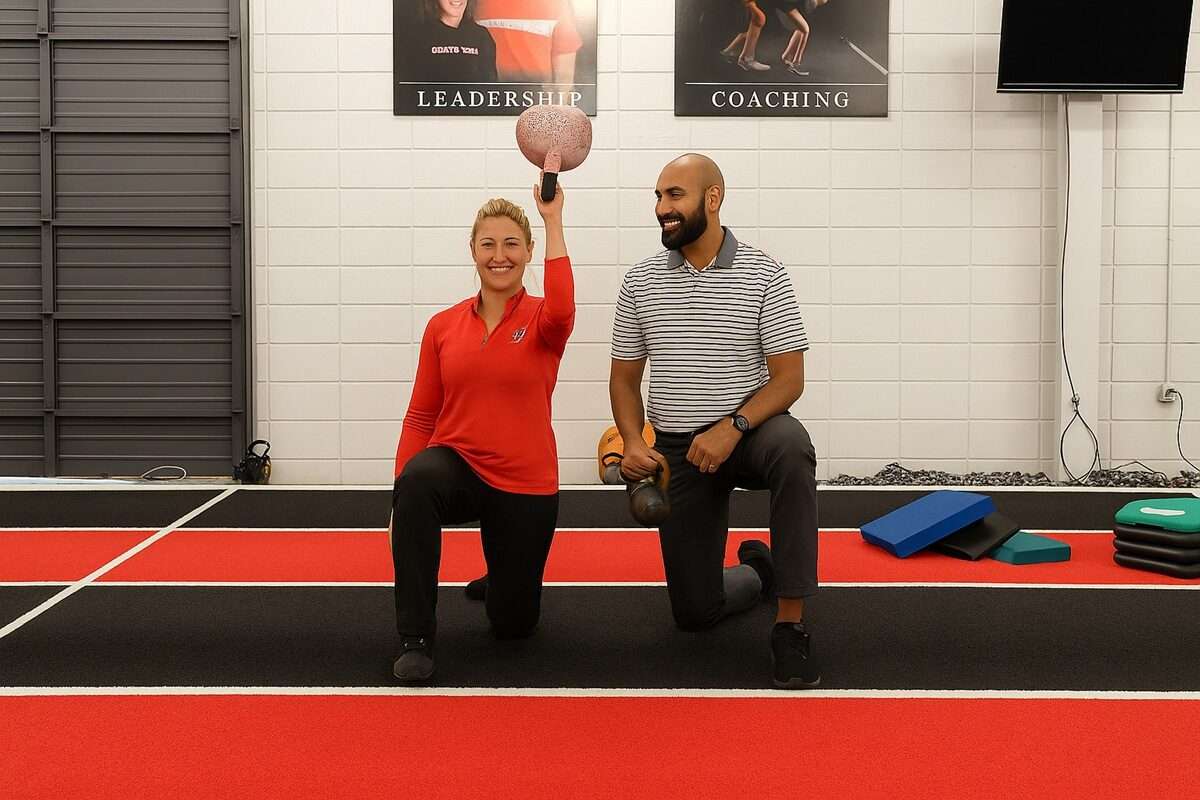
Once you have a base of movement, you need strength for lasting results, which is the heart of overcoming a rotator cuff tear without surgery. Strength is best built through functional pushes and pulls. Some of the best options include the kettlebell arm bar, Turkish get-up, military press, and pull-ups or pull-downs. Generate tension and keep good technique, and these build a resilient shoulder.
5. Master Movement for a Rock-Solid Shoulder
Finally, refine technique in the activities you want to return to and keep up a simple maintenance routine. This movement mastery is what turns short-term relief into a durable shoulder. You can find demonstrations of these movements in our video library.
Frequently Asked Questions
How long does it take to recover from a rotator cuff tear without surgery?
Many people feel meaningful relief within a few weeks as pain calms, with strength and function continuing to build over about three to six months. Consistency matters more than intensity, and steady, progressive loading is what makes the difference.
Will the tear heal on its own?
The torn tendon usually does not fully repair itself, but that is not the goal of conservative care. By strengthening the surrounding muscles and restoring mobility, most people regain a strong, functional, pain-free shoulder even with the tear present.
When should I consider surgery?
Consider it if you have an acute traumatic or large tear, if you are younger and use your arm heavily overhead, or if pain and weakness do not improve after a good rehab program. A conversation with a physical therapist and, when appropriate, a surgeon helps you weigh the options.
Get Shoulder Relief in Greenville, SC
When addressed with a specialized program, overcoming a rotator cuff tear without surgery is very achievable for many people. Ignoring the pain and pushing through repetitive activity, on the other hand, can lead to a further decline in shoulder health. If you are worried about shoulder pain, the physical therapists at Movement Solutions in Greenville, SC would be glad to help.
We invite you to request a shoulder consultation with one of our specialists. It is a chance to ask questions, get clarity about your shoulder, and build confidence that we can help.
If you are in pain but unsure what to do, call us at (864) 558-7346 and ask how we can help.
Medically reviewed by Dr. Tim Varghese, PT, DPT · Last updated August 19, 2026

Dr. Tim Varghese, PT, DPT
Dr. Tim Varghese, PT, DPT, is the founder of Movement Solutions Physical Therapy in Greenville, SC. He earned his Doctor of Physical Therapy from the Medical College of Georgia and is a Board-Certified Orthopedic Clinical…
More about Dr. Tim →