
When Leakage, Pelvic Pain, or Pressure Start Getting in the Way
Pelvic floor physical therapy in Greenville, SC can help when leaks, pelvic pain, or pressure start changing how you work out, sit through meetings, or feel during intimacy. The goal is not just to control the symptoms but to get you back to normal life and the activities you care about, with better strength, coordination, and confidence.
This article will explain what pelvic floor problems typically involve, common causes, home strategies to try, and what to expect when working with a pelvic health physical therapist. This article will help you regain control and enjoy your life without worrying about leaks, pain, or pressure.
What Pelvic Floor Problems Usually Are (And What They Are Not)
A lot of people assume leaking or pelvic pain is just “age” or “what happens after kids.” Some men chalk it up to prostate issues and leave it at that. But these symptoms often come down to treatable muscle and coordination problems.
What pelvic floor dysfunction often is:
Muscles that are too weak to handle pressure from coughing, lifting, or jumping
Muscles that are too tight and cannot relax properly
Poor timing and coordination between the pelvic floor and the rest of the core
Reduced endurance, so the muscles fatigue quickly during activity
A combination of several of these issues at once
What it is not:
Always “weakness” that needs more Kegels
Always a problem that requires surgery
Something that shows up clearly on basic imaging like X-rays or MRIs
A condition you just have to accept
Symptoms can look like urinary incontinence, sudden urgency, pelvic pain, tailbone discomfort, heaviness or pressure, sexual pain, or trouble fully emptying the bladder or bowels during bowel movements. Pelvic floor physical therapy can alleviate discomfort during sexual activities, addressing common issues related to pelvic floor dysfunction.
Both women and men in the Greenville community deal with these issues. Postpartum women, men after prostate surgery, athletes, desk workers, and people who have simply been active for decades can all experience pelvic floor issues.
How Your Pelvic Floor Actually Works
Think of the pelvic floor muscles like a hammock or trampoline:
They stretch from your pubic bone in front to your tailbone in back
They need to be strong enough to support your organs but flexible enough to let you go to the bathroom and relax
They work together with your diaphragm, deep abdominals, and glutes as part of your whole core system
When this system works well, your pelvic floor responds automatically. You laugh, and it braces. You lift something heavy, and it supports. You relax on the toilet, and it lets go.
When the system is off, things go sideways. A pelvic floor that is too tight can cause pain and make it hard to fully empty your bladder. One that is too weak may not hold up under a sneeze or a box jump. Poor coordination means the timing is off, so the muscles do not fire when they should.
A good pelvic floor therapy evaluation looks beyond just the pelvis. Your physical therapist focused on pelvic health will check your hips, low back, breathing patterns, and how you move. This holistic approach fits with how the body actually works. The pelvis does not operate in isolation.
Why Leaks, Pain, and Pressure Show Up
Pelvic floor dysfunction usually comes from a mix of contributing factors, not just one event. Understanding possible contributing factors helps you see why a one-size-fits-all approach rarely works.
Key contributors include:
Pregnancy and childbirth: Vaginal delivery, C-section recovery, diastasis recti, and the repetitive strain of lifting a baby carrier all add up. Helping postpartum women return to exercise safely is a big part of pelvic floor physical therapy. Many women experience urinary incontinence, especially after childbirth.
Long-term sitting: Desk jobs in Greenville, commuting, and too many hours in a chair can leave hips and glutes weak or tight. This shifts load to the pelvic floor.
High-intensity training: CrossFit, running, HIIT, and heavy lifting with breath holding or poor pressure management can overload the system.
Chronic straining: Constipation, rushed bathroom habits, or straining during bowel movements puts repeated stress on these muscles. Pelvic floor physical therapy can help manage bowel issues linked to these problems.
Men’s health factors: Prostate surgery, chronic prostatitis-like symptoms, or guarding after pain can lead to pelvic floor tightness or weakness in men.
Other factors matter too. Stress and shallow breathing change how the diaphragm and pelvic floor coordinate. Old back or hip injuries can alter movement patterns. Scar tissue from abdominal or pelvic surgeries may restrict mobility.
Pelvic pain can have multiple contributors including musculoskeletal imbalances, nervous system sensitivity, hormonal changes, and gastrointestinal issues. Physical therapy is an important part of a broader care team approach when needed.
Many patients never realized their chronic pain in the low back or hips was tied to their pelvic floor until a detailed PT assessment connected the dots. That comprehensive understanding of the whole person makes the difference.
What You Can Start Doing at Home Right Now
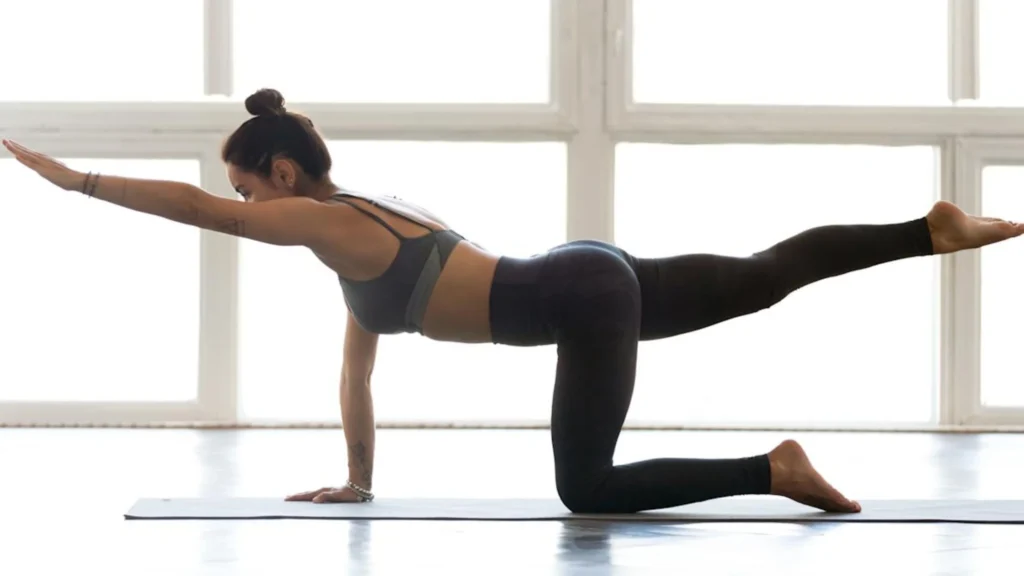
There are safe, simple steps you can try while deciding if pelvic floor physical therapy is right for you. These are not meant to replace an evaluation, but they can start moving things in a better direction.
Breathing drill:
Lie on your back with knees bent (hooklying position)
Place one hand on your chest and one on your belly
Breathe in slowly for 4 counts, feeling your ribs expand sideways and your belly rise gently
As you inhale, let your pelvic floor relax and drop slightly
Exhale slowly for 6 counts, and feel a gentle lift in the pelvic floor (no straining)
Practice 3 to 5 minutes daily
Bathroom habits:
Avoid power pushing. Take your time.
Use a small footstool to get your knees slightly above your hips
Lean forward a bit and let your pelvic floor muscles relax
Do not hover over public toilets. Sit down fully.
Bladder calm:
Schedule bathroom trips every 2.5 to 3 hours instead of going “just in case”
When you feel an early urge, pause and take 3 to 5 slow breaths
The urge may ease, which helps retrain bladder habits
Gentle movement ideas:
Short daily walks at a pace that does not increase pressure or leaking. The Swamp Rabbit Trail is a good option if you are near it.
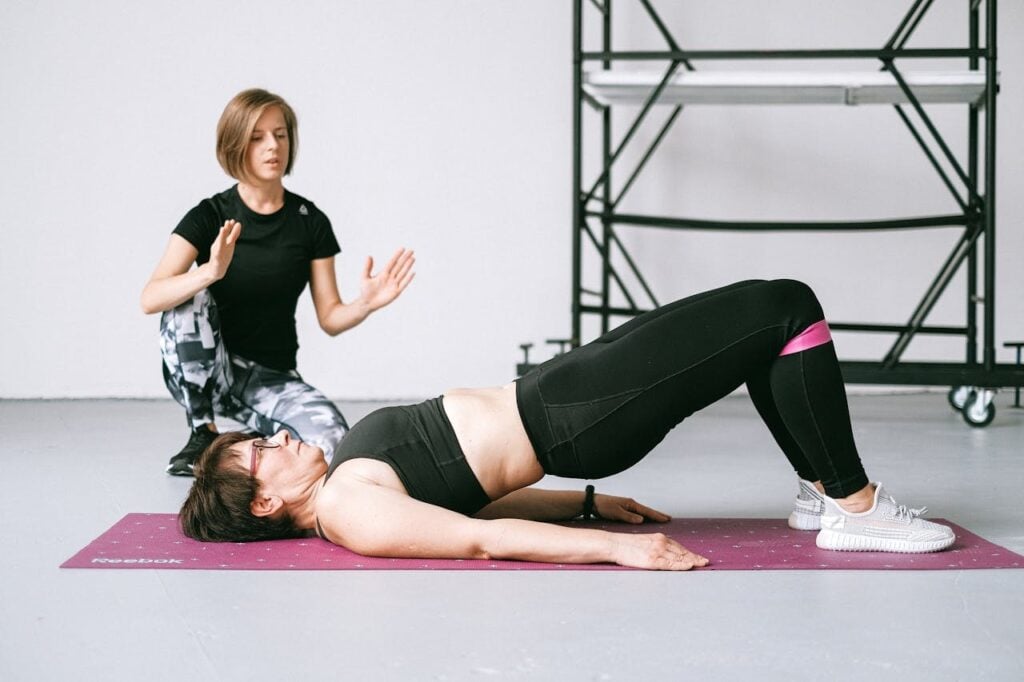
Light core work like pelvic tilts or marching bridges, focusing on breathing instead of bracing hard
If any of these increase pain, pressure, or leaking, ease off. That is a sign an evaluation would be helpful rather than pushing through.
When to see a provider sooner:
New numbness or weakness in your legs or groin
Major changes in bladder or bowel control
Fever with pelvic pain
Symptoms worsening quickly
These are reasons to call a medical provider promptly, not panic. Just do not wait on them.
How Pelvic Floor Physical Therapy Helps
A pelvic floor PT evaluation starts with your story. What symptoms are you noticing? When do they show up? What activities matter most to you?
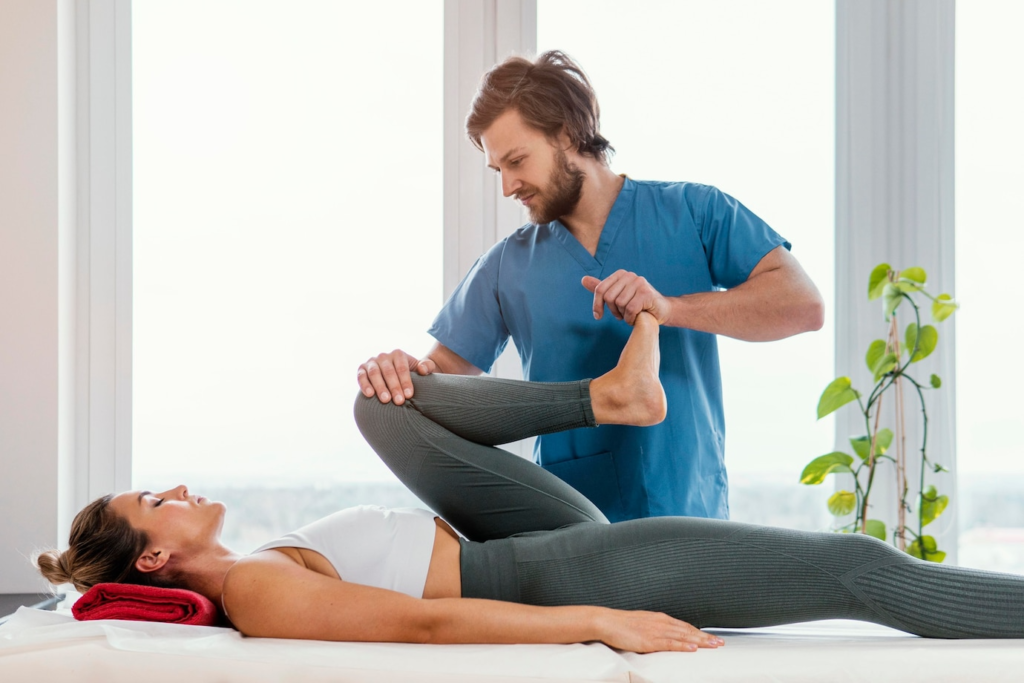
From there, your physical therapist will look at posture, hips, spine, and breathing. Many pelvic floor specialists also perform an internal or external pelvic floor muscle assessment to check strength, coordination, and tension. This is always explained ahead of time, and you always have the option to consent or decline.
What treatment often includes:
Education about what is actually happening and why symptoms show up during certain movements or times of day
Breathing and pressure management coaching for running, lifting, and everyday tasks like picking up kids or groceries
A progressive exercise plan to improve strength, relaxation, and timing of the pelvic floor, deep core, hips, and glutes
Hands-on techniques when appropriate, such as soft tissue work to hips, low back, or pelvic muscles to ease tension and improve mobility
Use of modalities like electrical stimulation and dry needling to reduce muscle tightness and pain
Internal assessment or treatment is optional and only done with clear consent. Many people still make meaningful progress with external strategies.
Treatment looks different for someone with overactive, tight pelvic floor muscles versus someone with low strength and endurance. A one-size-fits-all plan often misses the real driver. A general orthopedic physical therapist might miss these distinctions, but a pelvic health physical therapy specialist with a diverse clinical experience and special interest in the pelvis will not.
This applies to women and men. Postpartum women returning to running or strength training need a different plan than a man dealing with pelvic pain or leakage after prostate-related care. Both deserve one-on-one care that addresses their unique needs.
The focus stays on your fitness goals. Running 5Ks in Greenville. Hiking Paris Mountain. Lifting at the gym. Getting through a workday without worrying about discomfort or leaks.
Visit length and coverage depend on your plan and your needs. If you want to use insurance, our front desk can help you understand benefits and what to expect before you start.
What to Expect and Typical Timeline
Timelines vary, but most people start noticing changes in awareness and control within the first few weeks if they are consistent. Here is a general sketch:
First 2 to 4 weeks:
Improved understanding of your symptoms
Better breathing and posture habits
Early changes in urgency, pressure, or body awareness
Weeks 4 to 8:
Building strength and coordination
Fine-tuning daily habits and exercise form
Gradual improvements in leakage, pain, and confidence with movement
Beyond 8 to 12 weeks:
Progressing back to higher-level activities like running, jumping, heavy lifting, or longer hikes
Fewer restrictions and more independence
More complex cases take longer. Long-standing chronic pain, multiple surgeries, or prolapse with significant symptoms may need a slower build-up. That is normal.
Progress is tracked through symptom logs (leaks per week, urgency episodes), ability to perform certain exercises, comfort with intercourse, and tolerance for work or workouts. Your plan adjusts based on your response, schedule, and life. It is not forced into a one-size timeline.
Sustainable results come from patient care that respects where you are starting and where you want to go, quickly problem solving and taking care of your needs every step of the way.
Pelvic Floor FAQs
Do I Need a Referral to See a Pelvic Floor Physical Therapist in South Carolina?
In South Carolina, you can see a physical therapist directly without a referral. This is called direct access. Some insurance plans may still require a referral for coverage, so checking with your plan is a good idea. But you do not need to wait for a doctor’s appointment to get started.
Is an Internal Exam Required?
No. An internal exam can provide helpful information, but it is never required. Your therapist will explain what the assessment involves, why it might be useful, and you always have the option to decline. External-only sessions are available, and your comfort is prioritized.
Can Pelvic Floor PT Help If I Had My Kids Years Ago?
Yes. Symptoms in your 30s, 40s, 50s, and beyond can still improve with the right approach. The body responds to training at any age. Many women assume it is “too late,” but that is not how exercise science and musculoskeletal medicine work. Change is still possible.
What If Kegels Made Things Worse?
That happens more often than you might think. If your pelvic floor is already too tight, doing more Kegels adds tension to an overworked system. A skilled assessment guides whether you need to relax, strengthen, or work on coordination. The answer is not always “squeeze more.”
Is This Only for Women?
Not at all. Men with pelvic pain, prostatitis-like symptoms, bladder problems, or leakage after prostate surgery can benefit from pelvic therapy. Sexual function issues in men often have a pelvic floor component too. The practice is open to everyone.
How Often Would I Need to Come In?
Most people start with weekly visits, then space out as they improve. A typical course might be 6 to 12 sessions over 2 to 3 months, but it depends on your symptoms, goals, and how quickly you respond. Your therapist builds a plan around your life, not the other way around.
What If I Am Nervous About Talking About These Symptoms?
Totally understandable. These topics can feel awkward to discuss. But pelvic health therapists have these conversations every day. Nothing you share will be surprising or uncomfortable for them. Most patients feel relieved once they start talking and realize they are not alone.
How Do I Choose a Pelvic Floor Physical Therapist in Greenville, SC?
Look for a licensed physical therapist who regularly treats pelvic health concerns and can explain their process clearly. You should feel respected and in control during every step of the evaluation. A good plan should connect symptoms to breathing, hips, core, and daily movement, not just tell you to do more Kegels.
Ready for Help? Next Steps in Greenville, SC
Talking about leakage, pelvic pain, or pressure can feel awkward. But getting answers is usually a relief. You do not have to keep wondering or working around symptoms that are holding you back.
If you are ready, schedule a pelvic floor evaluation at Movement Solutions Physical Therapy in Greenville, SC. Your first visit focuses on listening to your story, understanding your goals, and putting together a realistic plan that fits your life and activities.
Not ready to book yet? That is okay too. Reach out with questions by phone or contact form. No question is too small or too weird. The team is here to help you regain control over your body and your well being. You deserve to get back to the workouts, hikes, and daily life in the Upstate without worrying about leaks, pain, or pressure holding you back.
