

If you are experiencing shoulder pain, the first question is usually simple. Who should you see first? In many cases, starting with a primary care physician, a sports medicine provider, or a physical therapist makes sense. If symptoms are more severe, or if pain lasts more than two weeks, or when it keeps getting worse instead of settling down, an orthopedic doctor or orthopedic shoulder specialist may be the right next step.
That quick answer matters because shoulder pain can feel alarming, especially when it starts limiting sleep, workouts, and everyday tasks like reaching overhead or putting on a shirt. The good news is that many shoulder issues respond well to conservative treatments, and not every painful shoulder needs x rays, injections, or surgery right away.
When Shoulder Pain Needs Urgent Care
Some cases should not wait. Seek immediate medical attention or urgent care if the shoulder looks deformed, if you cannot move the arm after an injury, if there is sudden intense pain and swelling, or if you suspect a shoulder dislocation, broken bones, or a dislocated shoulder.
Severe trauma changes the equation. In those cases, you may need x rays, a comprehensive exam, and prompt orthopedic care. That is very different from the nagging shoulder pain that builds over weeks from lifting, tennis, pickleball, golf, or repetitive motions around the house.
When to Get Imaging
Imaging can be helpful, but it is not always the first move. If there was no major trauma, no obvious deformity, and your strength is mostly intact, imaging is not always the first step. A good exam often tells you a lot before any scan does.
Relevant imaging is more appropriate when there was a significant injury, when you suspect a major tear or dislocation, when symptoms are severe, or when pain persists despite conservative treatments. X rays are useful for arthritis, broken bones, or joint alignment. MRI is more helpful for soft tissue problems like rotator cuff tears.
Common Causes of Shoulder Pain
Many shoulder issues fall into a few common categories: tendon irritation, rotator cuff overload, bursitis, frozen shoulder, arthritis, instability, and shoulder impingement. Shoulder impingement happens when the shoulder blade rubs against or pinches the rotator cuff beneath it. Bursitis is inflammation of the fluid-filled sacs cushioning the joint.
Arthritis occurs when the cartilage in the ball and socket wears down. Frozen shoulder mainly causes stiffness and adhesions that restrict motion. Rotator cuff tears involve damage to the muscles and tendons that help lift and rotate the arm. Each condition can present differently, which is why a thorough exam is important.
What Rotator Cuff Problems Usually Feel Like
The rotator cuff is a group of muscles and tendons that stabilize the shoulder and help you raise and rotate your arm. When the rotator cuff tendons get irritated, people often feel pain reaching overhead, putting on a jacket, washing their hair, or lowering the arm from an elevated position.
With more significant rotator cuff tears, weakness becomes more obvious. You may notice pain at night, trouble lifting objects away from your body, or a sharp catch with certain motions. Not every rotator cuff problem needs surgery, but it does need the right diagnosis and treatment plan.
What Arthritis and Frozen Shoulder Feel Like
Arthritis tends to cause a deeper ache, stiffness, and pain that worsens with use. Some describe a grinding or catching feeling. Severe cases may lead to shoulder replacement or reverse shoulder replacement discussions, but only after nonsurgical options have been tried.
Frozen shoulder causes a marked loss of range of motion, especially reaching overhead or behind your back. The shoulder stiffens in all directions, making simple tasks like dressing or drinking difficult.
Why the Shoulder Gets Irritated So Easily
The shoulder is the most mobile joint in the body, and that mobility is useful until it becomes hard to control. Your upper arm bone has to move well in the socket, the shoulder blade must rotate smoothly on the rib cage, and the rotator cuff keeps everything centered while you lift, carry, throw, push, or sleep on that side.
When one part of that system is stiff, weak, tired, or poorly timed, another part picks up the slack. That is why shoulder pain is often less about one damaged spot and more about how the whole musculoskeletal system handles load.
Who Is the Best Specialist for Shoulder Pain?
If you are looking for a specialist for shoulder pain, the best choice often starts with a physical therapist. PTs are specially trained to assess movement, identify problem areas, and build personalized treatment plans to reduce pain and restore function. They can often help early on by addressing movement patterns and preventing unnecessary medical interventions.
Orthopedic specialists focusing on the shoulder or upper extremities are key when more involved conditions require specialized care, imaging, or surgical discussions. General practitioners and primary care physicians are often the first point of contact, offering initial assessment and referrals as needed. Sports medicine doctors are well suited for active adults with overuse or sports-related shoulder injuries. Physiatrists focus on non-surgical rehabilitation and functional restoration.
When You Can Start With a Physical Therapist
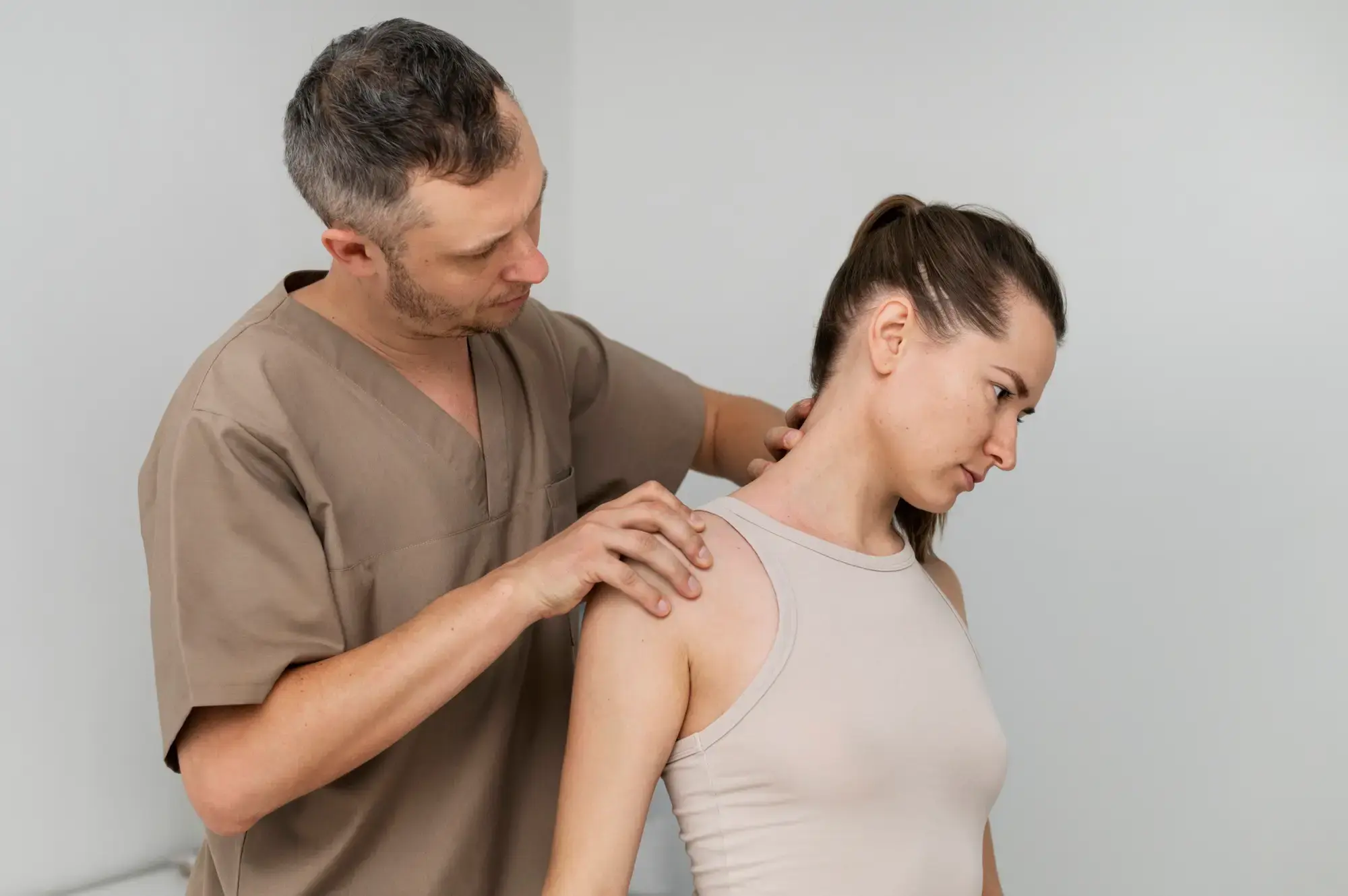
If your shoulder pain came on gradually, if you can still move the arm, and if there was no major trauma, starting with physical therapy is often a smart first step. A physical therapist is specially trained to look at how you move, what motions aggravate the affected area, and what may help reduce pain without unnecessary medical intervention.
Physical therapy is often a first-line option for shoulder injuries because it focuses on effective treatment that matches real life. The goal is not just to relieve pain for a few days but to improve strength, mobility, and control so you can get back to workouts, sports, yard work, and normal life with less pain.
When You Should See an Orthopedic Doctor
You should see an orthopedic doctor or shoulder doctor if pain lasts more than two weeks, worsens instead of improving, causes significant weakness, interferes with daily activities, or if the shoulder feels unstable. Visible swelling, redness, or loss of motion, especially difficulty lifting the arm, also warrant a specialist’s evaluation.
Orthopedic doctors are specially trained to treat joints, bones, tendons, ligaments, and muscles that make up your musculoskeletal system. They step in when the issue is deeper and may require specialized interventions, imaging, injections, or treatment options beyond basic home remedies.
Self-Help Tips That Actually Make Sense
If the pain is mild to moderate and there are no red flags, start by calming the shoulder down without shutting your whole life down. Reduce the motions that clearly flare it, especially repeated overhead work or heavy pressing. Use short bouts of ice or heat if they help. Some people also get temporary relief with anti inflammatory medication if their medical professional says it is appropriate.
Then work on motion and control. Gentle range of motion, posture resets, and simple rotator cuff and shoulder blade exercises often help reduce inflammation and restore confidence. The goal is to give it enough movement and load to recover.
Mistakes That Keep Shoulder Pain Hanging Around
One mistake is total rest for too long. Another is doing every stretch and exercise you find online without knowing whether it matches your problem. Both can backfire. Some shoulder conditions need more mobility, others need more stability, and some need you to temporarily stop provoking one motion while building strength elsewhere.
Another common mistake is chasing quick fixes. In some cases, cortisone injections or other medical treatments can help calm pain, but they do not replace improving strength, movement, and load tolerance if that is what is driving the problem.
How Physical Therapy Helps You Get Back to Normal

Physical therapy is essential for managing shoulder pain and promoting recovery because it connects the diagnosis to real movement. A physical therapist can build a personalized treatment plan that matches your symptoms, goals, irritability level, and activity history. That may include hands-on care, strengthening, mobility work, education, and graded return to lifting or sports.
Treatment may also include targeted exercise, shoulder care strategies, and occasionally tools like electrical stimulation to help reduce pain briefly. Aquatic therapy can assist in regaining mobility and strength with less strain. The main point is that rehab should be specific, practical, and built around what you want to get back to.
What Happens If Therapy Is Not Enough
Most people do not need surgery first, but some do need more advanced care. If symptoms keep progressing, if there is a major tear, severe arthritis, or ongoing instability, then an orthopedic shoulder specialist may discuss arthroscopic surgery, shoulder replacement, or other surgical treatment options.
Arthroscopic surgery is a minimally invasive procedure used to repair injured tissue inside the shoulder. Orthopedic surgeons may also discuss shoulder replacement surgery or reverse shoulder replacement when arthritis or tendon damage is advanced enough. Those are real options, but they are usually not the starting point for the average active adult with new shoulder pain.
Frequently Asked Questions
When Should I See a Specialist for Shoulder Pain?
If your shoulder pain lasts more than two weeks, worsens over time, or begins to limit your ability to perform daily activities such as dressing, reaching overhead, or sleeping comfortably, it’s important to consult a specialist. Early evaluation by an orthopedic shoulder specialist or an orthopedic doctor can help diagnose the underlying cause and develop an effective treatment plan to prevent further complications.
Can Physical Therapy Really Help Shoulder Pain?
Yes, physical therapy is often a highly effective treatment for shoulder pain. It focuses on improving movement patterns, increasing strength, and restoring range of motion. A physical therapist will design a personalized rehabilitation plan tailored to your specific condition and lifestyle, which can help reduce pain, prevent surgery, and improve overall shoulder function.
When Is Imaging Necessary for Shoulder Pain?
Imaging tests such as X-rays or MRI scans are typically recommended after a significant injury, if there is suspicion of a rotator cuff tear or dislocation, or if shoulder pain persists despite conservative treatments like rest and physical therapy. Imaging helps provide a detailed view of bones, joints, and soft tissues, allowing specialists to accurately diagnose the problem and guide appropriate treatment options.
What Are Common Treatments Besides Surgery?
Nonsurgical treatments for shoulder pain often include physical therapy, anti-inflammatory medications to reduce swelling and pain, cortisone injections to target inflammation directly in the affected area, and modifying activities that aggravate symptoms. These approaches can effectively manage many shoulder conditions and improve function without the need for surgery.
Is Surgery Always Required for Rotator Cuff Tears?
Surgery is not always necessary for rotator cuff tears. Many patients experience significant improvement with conservative care such as physical therapy and medication. However, surgery may be recommended for severe or complete tears, persistent pain, or weakness that does not respond to nonsurgical treatments. An orthopedic shoulder specialist can help determine the best approach based on the extent of the injury and your individual needs.
Final Thoughts
If your shoulder pain is keeping you from workouts, pickleball, golf, lifting, or even simple daily tasks, Movement Solutions Physical Therapy in Greenville, SC can help you sort out what is really going on. A detailed movement assessment and personalized plan can help you move with more confidence and get back to the activities you enjoy without guessing your way through it.
