
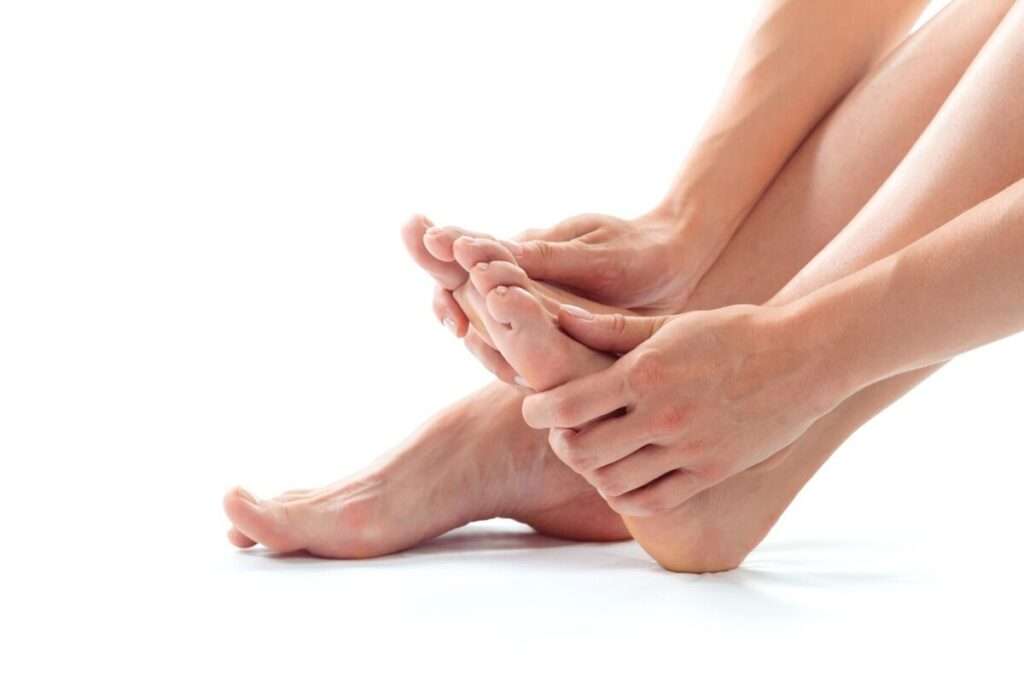
Understanding the causes of flat feet is the first step to stronger, more resilient arches. Flat feet, or pes planus, describe a collapse or flattening of the arch, sometimes called overpronation. It is very common, and here is an important reassurance up front: flat feet occur in up to 20% of adults, and the majority cause no symptoms and need no treatment. When they do cause trouble, the compensations can travel up the chain and contribute to knee, hip, and lower back pain. Below are the five most common causes of flat feet we see, and the proven fix for each.
What Are Flat Feet?
Flat feet can be congenital (present from birth) or acquired (developing over time). Congenital flat feet happen when someone is born with a more flexible or more rigid midfoot that lets the arch drop. Acquired flat feet develop gradually, and this is the group we help most, because the underlying causes of flat feet are often mobility, strength, and control problems that respond well to training. If your flat feet are painless and not changing, they may simply be your normal. It is the symptomatic ones, the feet driving pain or movement compensations, that are worth addressing.
The 5 Causes of Flat Feet (and How to Fix Each)
Ultimately, arches flatten over time because of movement compensations when mobility, stability, or control is lacking at the foot, ankle, or hips. Here are the five causes of flat feet, each with its fix.
1. Loss of Ankle Mobility
If the ankle cannot bend forward well, the foot compensates by spinning out during walking, the classic “duck walk,” and by rolling the arch inward during deep squats. The fix is to restore ankle mobility so the shin can travel over the foot without the arch collapsing.
2. Loss of Big Toe Mobility
The big toe needs to extend for a stable push-off. When it is stiff, the foot rolls inward to get around it, flattening the arch. The fix is gentle big-toe mobility work so your foot can roll over the toe rather than around the inside of the arch.
3. Weak Intrinsic Foot Muscles
The small muscles inside the foot, along with the posterior tibialis, hold up the arch. When they are weak, the arch has little active support. The fix is targeted foot strengthening: short-foot and intrinsic exercises are shown to reduce excessive pronation and improve arch stability.
4. Weak Hip Muscles
Every step requires a split second of single-leg balance. If the hips are weak, the body widens its base by letting the foot flatten. The fix is hip and glute strengthening so you can balance on one leg without collapsing the arch.
5. Lack of Arch Awareness
Many people with flat feet have simply forgotten how to cue their foot and hip muscles to build an arch. This is a skill, and it can be taught. The fix is practicing arch control, first standing still, then during real movement.
How Physical Therapy Restores Foot Health
Addressing the causes of flat feet follows a clear progression. First, hands-on therapy such as soft-tissue work, joint mobilization, or dry needling can calm pain and free up a stiff foot or ankle. But passive treatment alone will not create lasting change. To build durable arches, the inactive muscle groups have to be activated and strengthened.
From there, we work on stability, teaching the foot to generate tension and stiffness through the arch to resist unwanted collapse, and we reinforce it with single-leg balance work. Finally, we make it stick under load. If you have great control standing still but overpronate while exercising, the plan is not finished. We teach you to maintain an arch through hinge, squat, lunge, and step movements, with and without resistance, so your foot strength holds up in real life through solid movement patterns.
Frequently Asked Questions
Are flat feet always a problem?
No. Most flat feet are painless and need no treatment. The ones worth addressing are symptomatic, causing foot pain or compensations that contribute to knee, hip, or back issues. If yours do not hurt and are not changing, they may just be your normal foot.
Can adults fix flat feet without orthotics?
Often, yes, at least the symptoms and the strength behind them. Orthotics and supportive footwear can help in the short term, but they support the arch passively. Addressing the causes of flat feet with mobility and strengthening builds active support that you carry everywhere.
Do flat feet cause knee, hip, or back pain?
They can, in some people, by altering how the whole leg lines up and loads. That is why we look at the foot, ankle, and hip together rather than treating the arch in isolation. Not everyone with flat feet has pain, but when pain and flat feet travel together, the connection is worth assessing.
How long does it take to improve flat feet?
Because the causes of flat feet are usually mobility and strength problems, they respond to the same steady, progressive training as any other area of the body. Many people notice better arch control and less fatigue within a few weeks, with the strength and awareness that make it automatic building over one to three months. Consistency is what matters most. A few focused minutes on the causes of flat feet several times a week beats an occasional long session, and the gains tend to hold as long as you keep the muscles strong and active.
Get to the Root of Your Flat Feet in Greenville, SC
Most of the causes of flat feet are trainable, so the arch you have today is not necessarily the arch you are stuck with. A thorough assessment can pinpoint which of the causes of flat feet apply to you and build a plan around them. Ignoring symptomatic flat feet and continuing to move with poor mechanics, on the other hand, can raise your risk of injury over time. If your flat feet bother you, the physical therapists at Movement Solutions in Greenville, SC would be glad to be a resource for you.
If you would like help, ask us about availability and cost or call (864) 558-7346 and ask how we can help.
Medically reviewed by Dr. Tim Varghese, PT, DPT · Last updated August 28, 2026

Dr. Tim Varghese, PT, DPT
Dr. Tim Varghese, PT, DPT, is the founder of Movement Solutions Physical Therapy in Greenville, SC. He earned his Doctor of Physical Therapy from the Medical College of Georgia and is a Board-Certified Orthopedic Clinical…
More about Dr. Tim →