

Why your legs hurt after a workout in the first place
You finish a tough workout, and later that day or the next morning, your legs feel heavy, sore, and stiff. In our Greenville clinic, we work with a lot of runners, weightlifters, and active adults who push hard and then wonder why their legs are wrecked the next day. That leg pain after a workout can feel confusing because sometimes it is perfectly normal, and other times it points to something that needs attention.
As physical therapists, we look at how your body responds to physical activity over time. Some discomfort is expected when your muscles are challenged, but not all pain should be ignored. Knowing the difference helps you stay active without setting yourself back or risking a bigger injury.
Is Leg Pain After a Workout Normal?
In many cases, leg pain after a workout is normal and comes from muscle soreness. This is especially true if you recently increased intensity, tried a new workout, or pushed your limits. Your body is adapting, and that process can include temporary soreness and stiffness.
However, not all pain is the same. If the pain feels sharp, lasts more than a few days, or gets worse instead of better, it may not be normal. Understanding what type of pain you feel is the first step toward making the right decision.
How To Tell What Type of Leg Pain You Have
The timing, location, and behavior of your symptoms tell you a lot about what is going on. Muscle soreness usually shows up later, while injury-related pain often starts during exercise. Pain that improves with a short walk is different from pain that worsens with movement.
You should also pay attention to where you feel pain. Soreness in the leg muscles feels different from joint pain in the knee or ankle, and nerve-related pain often includes tingling or numbness.
Why You Get Leg Pain After a Workout
Understanding the cause of your discomfort helps you recover faster and avoid repeating the same problem. These are the most common reasons we see behind leg pain after a workout.
1. Delayed Onset Muscle Soreness
Delayed onset muscle soreness, also called DOMS, is the most common cause of muscle and leg pain after a workout. It typically appears 12 to 24 hours after intense activity and can peak one to three days later. This often happens after eccentric movements like running downhill or lowering weights.
This soreness comes from microscopic tears in muscle fibers along with the body’s inflammatory response as tissues repair. It is a normal part of how muscles grow and adapt. You may feel stiffness, tightness, and discomfort, but symptoms usually improve with light activity and movement.
2. Muscle Strain or Overuse Injury
If the pain feels sharp, sudden, or more intense than typical soreness, it may be a strain. This happens when muscles or tendons are overstretched or torn during intense activity or fatigue. It can lead to swelling, bruising, and pain when walking.
Pain that starts during a workout and does not settle with rest is a sign that something more than soreness is going on. Continuing to push through it increases the risk of a more serious injury.
3. Joint Irritation and Movement Overload
Your joints also take on stress during exercise. If your movement patterns are off or your training intensity increases too quickly, your knee, hip, or ankle can become irritated. This leads to stiffness, discomfort, and reduced range of motion.
We often see this in people restarting a workout routine or increasing volume too fast. The joints are not ready for the load, and that creates pain that feels different from sore muscles.
4. Dehydration and Muscle Cramping
Your body depends on proper hydration and electrolyte balance during physical activity. Dehydration can lead to painful cramping, tightness, and fatigue in the legs. This is common during long workouts or when fluid intake is not enough.
Muscles need proper blood flow and nutrients to function. When hydration is low, the risk of cramping and discomfort increases, especially during intense exercise.
5. Circulatory Issues Like Peripheral Artery Disease
Some types of leg pain after a workout are related to blood vessels rather than muscles. Peripheral artery disease can cause intermittent claudication, which is cramping pain that starts during exercise and improves with rest. This happens because blood flow to the leg muscles is limited.
Symptoms may include tightness in the calves, fatigue, and reduced endurance. This type of pain should be taken seriously because it can indicate underlying cardiovascular risk and needs medical evaluation.
6. Chronic Venous Insufficiency and Swelling
Chronic venous insufficiency can lead to tired, achy leg pain after a workout. This happens when blood has difficulty flowing back toward the heart, which can cause swelling, heaviness, and discomfort in the lower leg.
You may also notice skin changes or ongoing swelling after activity. Compression wear can help improve circulation, but persistent symptoms should be evaluated to prevent long-term complications.
7. Nerve-Related Pain or Referral Symptoms
If your pain includes tingling, numbness, or a burning sensation, it may involve the nervous system. Nerve irritation can travel from the lower back or hip into the legs, creating symptoms that feel different from muscle soreness.
Pain that spreads, changes with position, or includes numbness is not typical and should be assessed. These symptoms often require a more detailed evaluation to find the root cause.
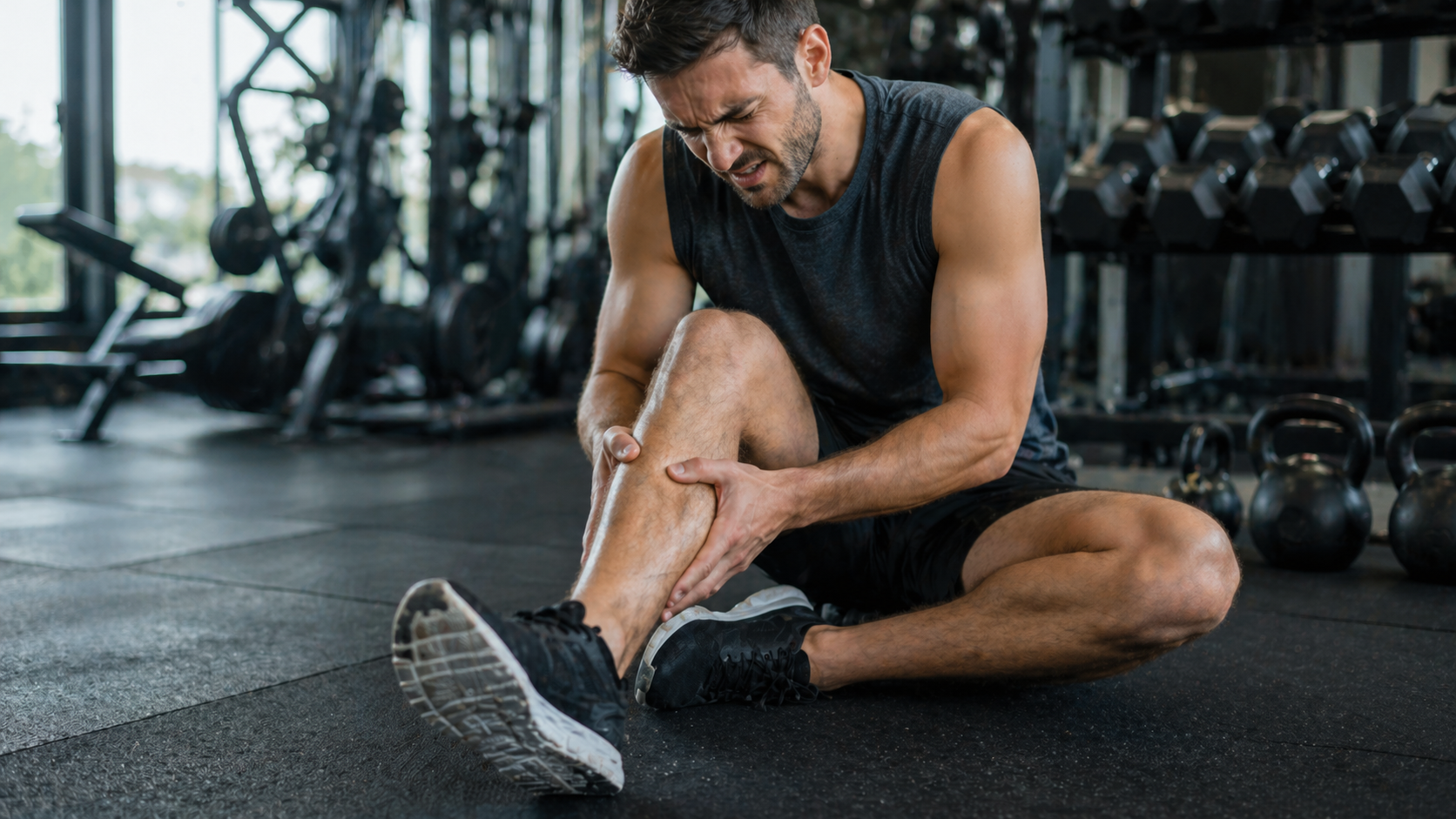
Signs Your Leg Pain After A Workout Is Not Just Normal Soreness
There is a clear difference between the normal soreness type of leg pain after a workout and something more serious. Pain that is sharp, persistent, or worsening over time is a sign to pay attention. If your symptoms last more than three days or prevent normal movement, it is time to take a closer look.
Watch for other symptoms like swelling, warmth, or redness in one leg, which may indicate blood clots. Numbness, tingling, or burning that spreads should also be evaluated. These signs may require medical care or even a visit to the emergency room in more severe cases.
When To Modify Activity or Get Help
If your legs feel sore but manageable, light activity like walking can improve blood flow and reduce stiffness. Active recovery helps your body heal while keeping you moving. Foam rolling and stretching can also reduce tightness and improve comfort.
If the leg pain after a workout feels intense, sharp, or continues to worsen, it is best to reduce intensity or stop the activity. Gradually returning to exercise allows your body to adapt without added stress. Ignoring these signs can lead to longer recovery and more complications.
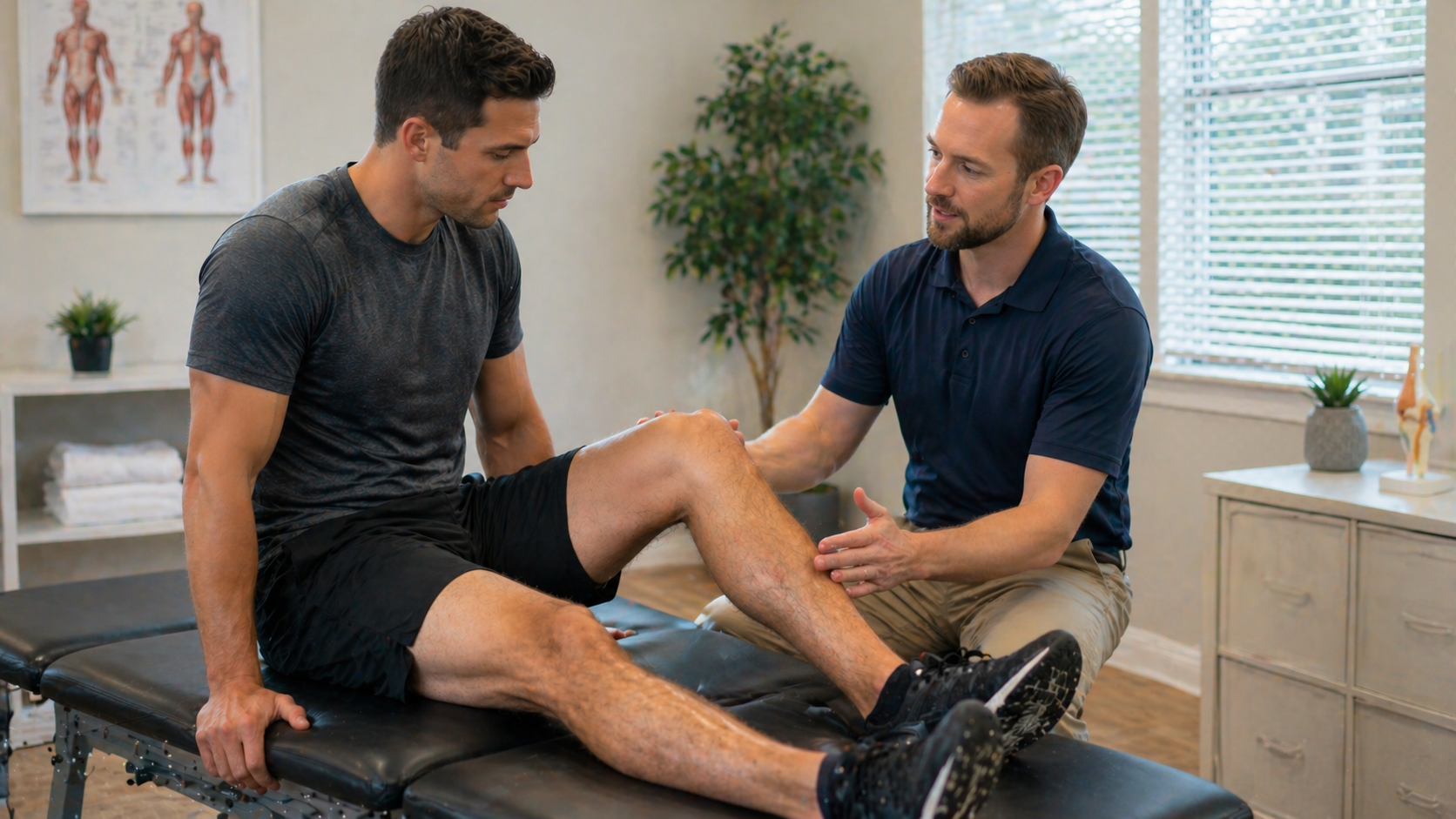
How Movement Solutions Physical Therapy Can Help
At Movement Solutions Physical Therapy in Greenville, SC, we focus on identifying why your leg pain after a workout started and how your body moves. Instead of only treating symptoms, we look at muscle strength, joint mechanics, and movement patterns. This approach helps reduce the chance of future injury.
We often work with active adults who want to stay consistent with their workouts without constantly guessing what pain means. Treatment may include guided exercise, manual therapy, and education on how to safely build intensity over time.
Simple Steps To Recover and Prevent Future Pain
Three things make the biggest difference in recovery: hydration, nutrition timing, and sleep. Hydration plays a major role in preventing muscle cramping and maintaining proper function. Consuming protein and carbohydrates within 30 to 60 minutes after a workout helps repair muscle fibers.
Warm up before exercise to increase blood flow and prepare your muscles. Gradually increasing intensity helps prevent DOMS and reduces injury risk. Foam rolling, stretching, and active recovery like a short walk can improve circulation and reduce soreness.
Sleep is also essential because your body repairs tissue during rest. Cold packs in the first 24 to 48 hours can reduce swelling, and proper footwear helps reduce unnecessary stress on your joints.
Know Your Body and Keep Moving
Leg pain after a workout is common, but understanding the difference between normal soreness and a potential problem is key. If your pain keeps coming back or limits your movement, Movement Solutions Physical Therapy can help you understand what is happening and build a safer path forward.
Medically reviewed by Dr. Tim Varghese, PT, DPT · Last updated August 28, 2026

Dr. Tim Varghese, PT, DPT
Dr. Tim Varghese, PT, DPT, is the founder of Movement Solutions Physical Therapy in Greenville, SC. He earned his Doctor of Physical Therapy from the Medical College of Georgia and is a Board-Certified Orthopedic Clinical…
More about Dr. Tim →